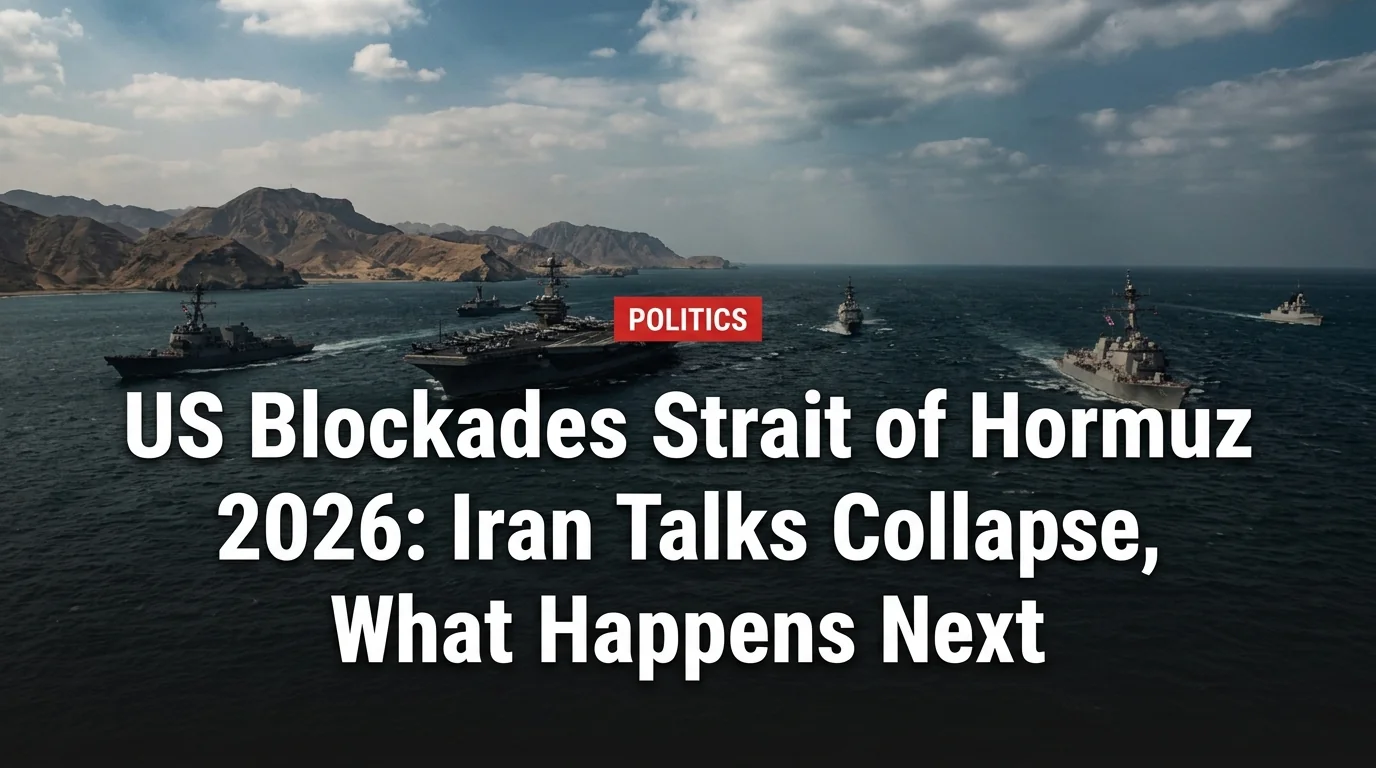
The United States has launched a full military blockade of Iranian ports in the Strait of Hormuz after high-stakes peace talks in Islamabad collapsed over the weekend — marking one of the most dramatic escalations in US-Iran relations in decades.
How We Got Here
Negotiations between the US and Iran had been quietly building for weeks. Diplomats from Washington, Tehran, and Islamabad gathered for what was described as a rare direct summit — 21-plus hours of talks led by US Vice President JD Vance alongside Iranian and Pakistani negotiators.
The talks broke down on April 12. Within hours, President Trump announced the blockade.
"They had their chance," Trump wrote on Truth Social. "The Strait of Hormuz is now under US control until Iran comes to the table on nuclear terms."
Iranian officials issued swift threats of retaliation. Hezbollah also rejected parallel Israeli-Lebanon talks in Washington, deepening the regional standoff.
What the Blockade Actually Means
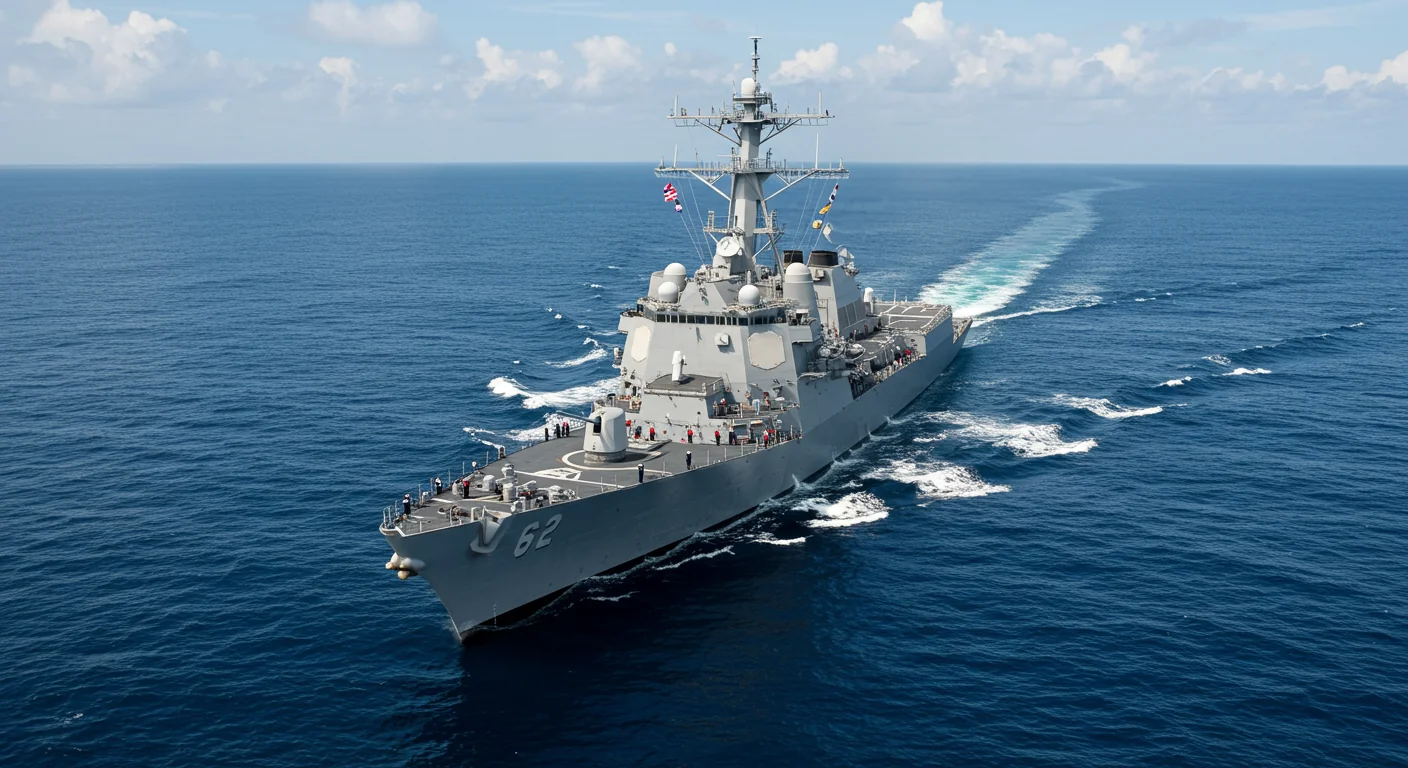
The US Navy has deployed at least 13 warships to enforce the blockade, targeting all tankers moving to and from Iranian ports. The goal: economically strangle Tehran into returning to the negotiating table — specifically over its nuclear program.
The Strait of Hormuz is one of the world's most critical maritime chokepoints. Around 20 percent of all globally traded oil flows through it. Any prolonged blockade doesn't just affect Iran — it affects energy prices worldwide.
Oil markets responded immediately. Brent crude spiked on the news of the blockade taking effect, with analysts warning of sustained volatility if the standoff drags on.
The Nuclear Sticking Point
Trump has been clear about his primary demand: Iran must commit to never developing a nuclear weapon. That red line has proven to be the central obstacle in talks.
Iranian officials, speaking to the New York Times on condition of anonymity, said Tehran's counter-demands included the unfreezing of sanctioned Iranian assets and formal guarantees around Hormuz shipping rights — conditions the US delegation refused to accept.
Is a Second Round of Talks Possible?
Despite the blockade and the escalatory rhetoric, both sides appear to be leaving the door open — barely.
A US official confirmed to CNN that talks are "still engaged" and that Trump administration officials are actively discussing logistics for a potential second in-person meeting. No date or location has been confirmed.
The Council on Foreign Relations has described the current moment as a "coercive diplomacy" play — using the blockade as leverage rather than as a prelude to outright military conflict. That reading suggests Washington wants a deal, not a war, but is willing to apply maximum economic pressure to get one.
What Happens Next
Three scenarios are in play:
Scenario 1 — Deal: Iran agrees to nuclear concessions in exchange for sanctions relief and Hormuz guarantees. Blockade lifts. Global oil markets stabilize. This is the outcome both sides publicly claim to want.
Scenario 2 — Stalemate: The blockade holds for weeks or months. Iran's economy is further squeezed. Oil prices rise. Proxy conflicts in Lebanon and the broader Middle East intensify. Pressure builds on both sides from their domestic constituencies.
Scenario 3 — Escalation: Iran retaliates militarily against US naval assets or regional allies. The conflict expands. This is the scenario analysts consider least likely but most catastrophic.
- Maximum economic pressure without direct military strikes
- Preserves negotiating leverage
- Signals resolve to US allies in the region
- Risks accidental military escalation at sea
- Raises global oil prices, hurting US consumers
- Could harden Iranian domestic politics against any deal
The Bigger Picture
The Strait of Hormuz crisis is unfolding against a backdrop of broader Middle East instability. Lebanon remains mired in a conflict that has displaced more than one million people. UN Secretary-General António Guterres has urged all parties to use every available diplomatic channel before the window closes.
For ordinary people, the most immediate impact will likely be at the gas pump. Energy economists are already revising oil price forecasts upward, and any significant disruption to Hormuz shipping could ripple through supply chains in ways that dwarf what consumers experienced during the COVID-era inflation surge.
The next 72 hours are being watched closely by every major government on earth. A second round of US-Iran talks would be taken as a sign that the blockade gambit is working. Silence — or worse, an Iranian countermove — would signal a much darker path ahead.