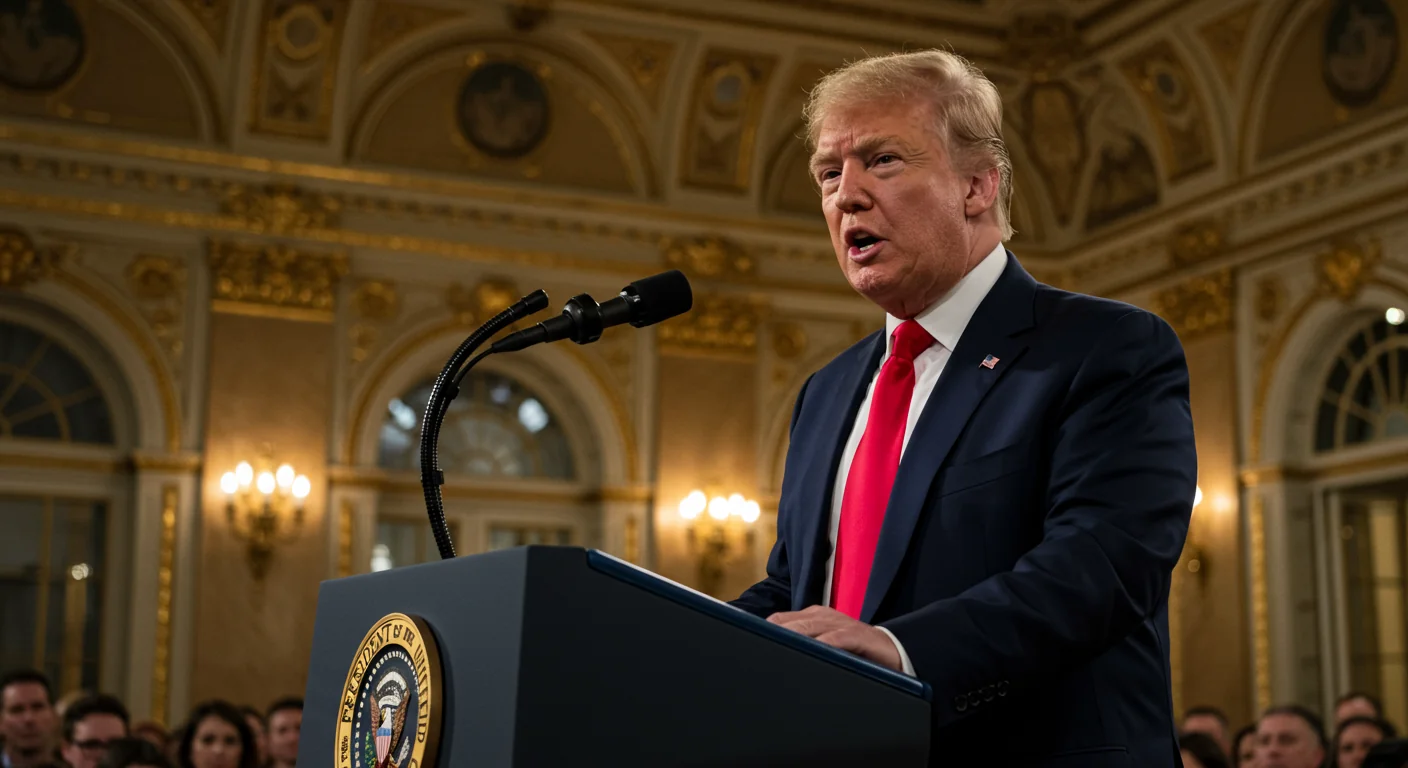
President Donald Trump has escalated his long-running war with the Federal Reserve, delivering a stark ultimatum to Chair Jerome Powell: step down voluntarily when your chairman's term expires on May 15, or be fired.
Speaking in a Fox Business interview on April 15, Trump said plainly, "If he doesn't leave, I will have to fire him." The statement sent ripples through financial markets and reignited a constitutional battle over central bank independence that is now heading toward the Supreme Court.
What Triggered the Ultimatum
Trump has criticized Powell repeatedly for keeping interest rates too high. As tariff-driven inflation and tax pressures and slowing growth have squeezed the U.S. economy in 2026, the president has demanded aggressive rate cuts. Powell and the Federal Open Market Committee have held rates steady, citing persistent inflation risks — a stance Trump views as politically motivated obstruction.
The immediate trigger this week was a dual escalation: Trump not only renewed his threat to fire Powell, but also refused to shut down a Justice Department investigation into the Federal Reserve over alleged cost overruns in a $2.5 billion renovation project at the Fed's Washington headquarters. Critics say the probe is a pressure campaign designed to force Powell out.
The Legal Problem With Firing Powell
Trump's threat may be politically powerful, but legally it is far from straightforward.
The Federal Reserve Act of 1913 states that members of the Board of Governors can only be removed "for cause" — meaning serious misconduct, not policy disagreement. No president has ever successfully fired a Fed chair under that standard.
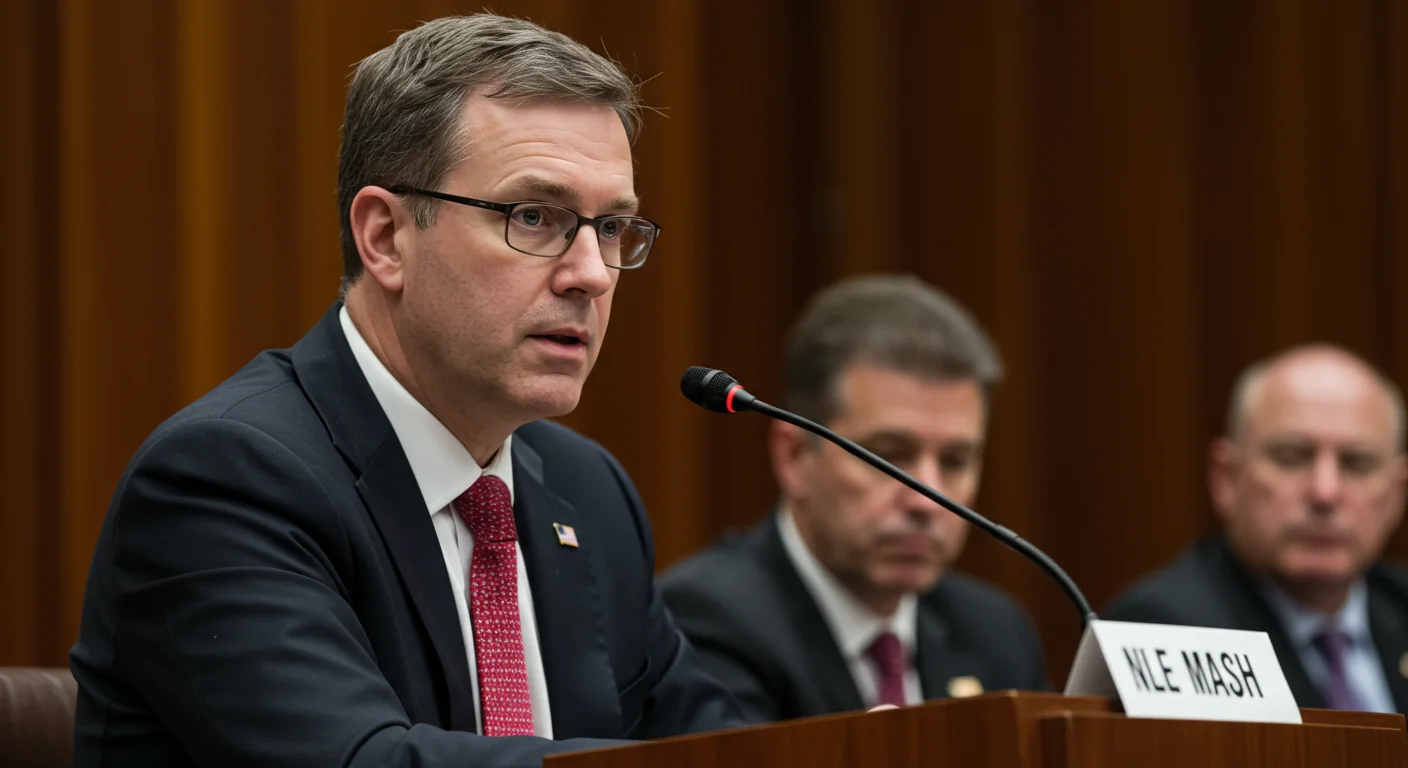
Powell has made clear he intends to fight. He has previously stated that he does not believe the president has the legal authority to remove him and that he would challenge any such action in court. Legal experts say such a lawsuit would almost certainly reach the Supreme Court.
Complicating matters further, Trump's own appointee Justice Brett Kavanaugh has expressed skepticism of the president's position, saying that removing Powell would "weaken, if not shatter, the independence of the Federal Reserve" — a comment made as the court weighs closely related cases about executive power over independent agencies.
- Powell's chairman term ends: May 15, 2026
- Powell's board seat expires: January 2028
- Federal Reserve Act requires "for cause" removal — policy disagreement does not qualify
- The Supreme Court is currently hearing related cases on presidential power over independent agencies
- Trump's nominee to replace Powell: Kevin Warsh, former Fed governor
What Happens on May 15 If Powell Stays?
The most likely near-term scenario, according to legal analysts, is that Trump names Fed Governor Stephen Miran as acting chair on May 15 while simultaneously claiming Powell's chairmanship has expired. Powell would almost certainly challenge that action in court and assert he remains chair.
This creates an unprecedented dual-claim scenario — two people asserting the chairmanship — that would be resolved in federal court, with the Supreme Court as the likely final arbiter.
Kevin Warsh, Trump's preferred permanent replacement, faces his own obstacle: Senator Thom Tillis (R-NC), a key vote on the Senate Banking Committee, has said he will not confirm Warsh until the DOJ's investigation of Fed renovation costs is resolved. That could leave the Fed leadership in legal limbo for months.
Market Risk: Why Investors Are Watching Closely
Wall Street is deeply rattled by the escalation. Financial analysts say markets would sell off sharply if Trump moves to fire Powell or install a loyalist chair who commits to cutting rates immediately.
The concern is not interest rate levels per se — markets would often welcome lower rates. The concern is what firing Powell would signal: that the Federal Reserve is no longer politically independent, which would undermine confidence in U.S. monetary policy globally.
Foreign central banks and sovereign wealth funds hold trillions in U.S. dollar assets partly because the Fed is seen as independent and credible. An overt political takeover of the Fed could accelerate the dollar's recent weakness and push U.S. Treasury yields higher, not lower — the opposite of what Trump wants.
Powell's Track Record and the Rate Debate
Powell, first appointed by Trump in 2018, has navigated the Fed through the COVID-19 economic crisis, a 40-year inflation surge, and a rapid rate-hiking cycle. He is broadly credited by economists — including many who disagree with individual decisions — with maintaining institutional credibility during extreme pressure.
His refusal to cut rates aggressively in 2025–2026 reflects Fed models showing that tariff-driven inflation is not yet fully contained. Cutting too soon, the Fed argues, risks a 1970s-style wage-price spiral.
Trump's counter-argument is that high rates are killing growth, crushing the housing market, and undermining the very economy his tariff policies are meant to strengthen.
Both positions have legitimate economic arguments behind them. The difference is that the Fed's job under its congressional mandate is to be free of political pressure in making that call.
What to Watch This Week
Markets will be monitoring three developments closely:
- Any formal White House legal filing attempting to remove Powell before May 15
- Supreme Court signals in the related Humphrey's Executor cases, where a ruling expanding presidential removal power would give Trump stronger legal footing
- Senate Banking Committee moves on the Warsh nomination and whether Tillis softens his hold
For now, Powell has said nothing publicly since Trump's interview. His silence is itself a statement — calm, institutional, and deliberate. Whether that calm holds through May 15 is the defining economic story of the spring.