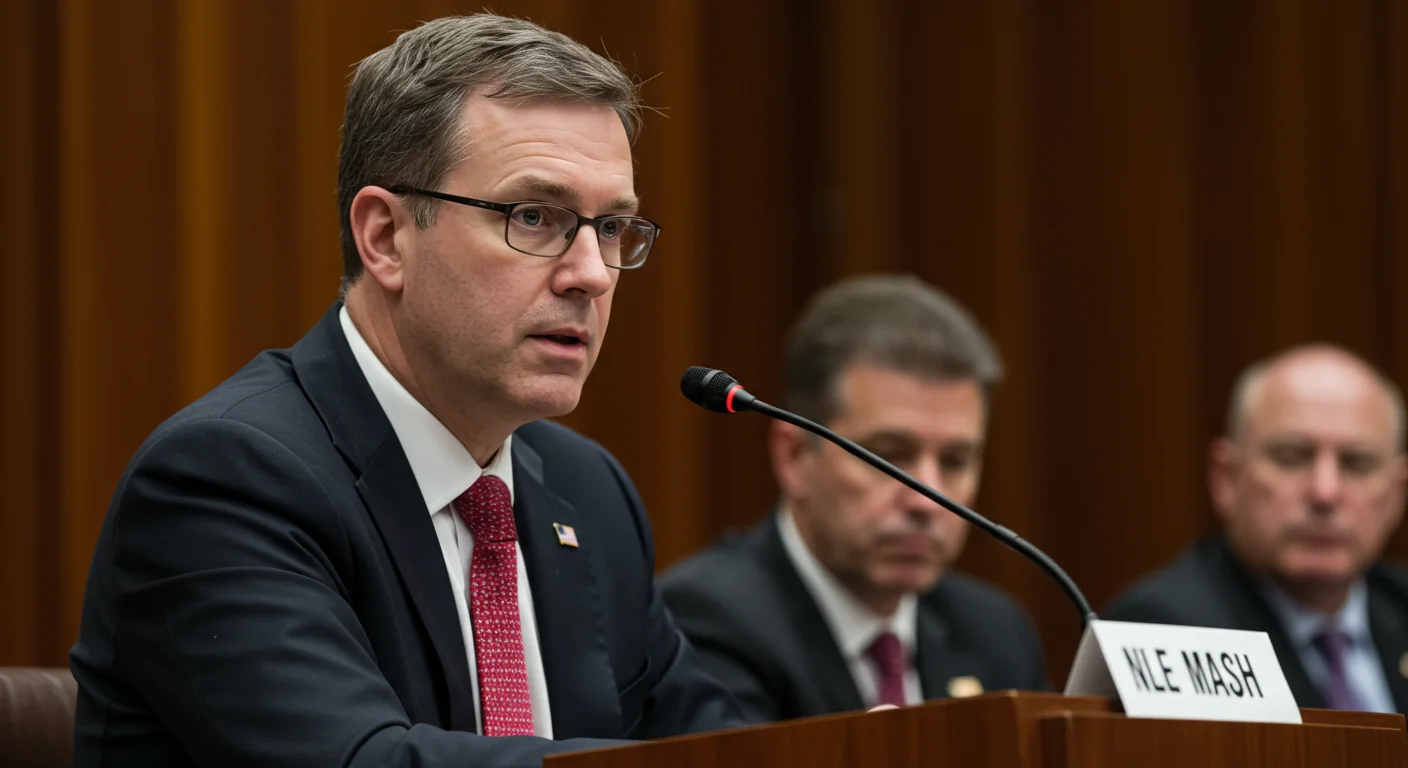

Netflix delivered a strong first quarter in 2026 — but the market wasn't in a celebrating mood. Shares dropped as much as 9% in after-hours trading on April 16 after the streaming giant announced that co-founder and Chairman Reed Hastings will leave the board in June, and issued second-quarter revenue guidance that fell short of Wall Street expectations.
It's the kind of earnings report that looks great on paper until you read the footnotes.
Reed Hastings Is Leaving — What It Means
Reed Hastings co-founded Netflix in 1997 and served as CEO until 2023, when he handed day-to-day leadership to Greg Peters and Ted Sarandos. He stayed on as Executive Chairman. Now, when his current board term expires at the June 2026 annual meeting, he'll step away entirely.
"Netflix is so strong that I can now focus on new things," Hastings said in a statement, signaling a shift toward philanthropy and personal projects.
Hastings shaped nearly every major chapter of Netflix's story: mailing DVDs, pioneering streaming, launching original content with House of Cards, and pushing into global markets. His exit marks a genuine symbolic turning point — even if the operational impact is limited given he already stepped back from the CEO role three years ago.
Investors, however, react to symbolism. And a founder leaving rarely goes unnoticed.
Q1 2026 Earnings: The Good News First
The underlying business remains healthy. Netflix beat analyst estimates on both revenue and earnings per share in Q1 2026. Subscription growth held steady, advertising revenue continued to scale, and the company's live events strategy — sports, comedy specials, and tentpole entertainment — showed promising early returns.
The ad-supported tier, which Netflix launched in late 2022 and initially struggled to grow, has become a meaningful part of the business. Advertisers have warmed to the platform as its measurement capabilities have improved and its subscriber numbers on the ad tier climbed past initial projections.
Original content also delivered. Several Netflix series ranked among the most-watched shows globally in Q1, maintaining the platform's edge over rivals Disney+, Max, and Peacock.
The Part That Spooked Wall Street: Q2 Guidance
Here's where it gets complicated. Despite the Q1 beat, Netflix's Q2 2026 revenue guidance came in below consensus estimates. The company projected approximately 13% revenue growth for the quarter — solid by most measures — but Wall Street had penciled in something closer to what would imply nearly $12.65 billion in revenue.
The guidance shortfall, combined with Hastings' departure, was enough to trigger a sharp selloff.
- Q1 revenue and EPS beat analyst expectations
- Ad-supported tier growing fast
- Subscriber count remains near record highs
- Live events strategy gaining traction
- Q2 revenue guidance missed Wall Street estimates
- Reed Hastings departure creates founder-exit uncertainty
- Stock already up sharply in 2026 — limited margin for disappointment
- Increasing content costs as competition intensifies
Is the Stock Drop an Overreaction?
Probably, at least in part. Netflix's fundamentals remain strong, and Hastings' operational role has been minimal since 2023. The company is in capable hands with Peters and Sarandos running day-to-day operations.
But context matters: Netflix shares had been on a strong run in 2026, benefiting from broader market optimism (the Nasdaq hit its 12th consecutive daily gain earlier today). When a stock is priced for near-perfection, a guidance miss — however modest — tends to hit hard.
Analysts remain generally bullish. Most maintained buy or outperform ratings heading into earnings, and the Q1 beat gives them little reason to downgrade. The after-hours move likely overstates the long-term impact.
What Comes Next for Netflix
The near-term story will be whether Q2 results validate or disprove the guidance concern. If Netflix delivers at or above the top of its own forecast, the stock will likely recover quickly.
Longer term, the company's growth levers are well-established: ad revenue scaling, live sports rights, password-sharing enforcement driving new subscribers, and international expansion in markets where streaming penetration remains low.
The bigger question is cultural. Hastings was the visionary who bet on streaming when DVDs were still king, greenlit Squid Game, and outmaneuvered legacy studios for years. That kind of founder energy doesn't transfer easily. Peters and Sarandos have proven themselves as operators — but the era of Hastings-era iconoclasm is now definitively over.
- Reed Hastings exits Netflix board in June 2026 after 29 years
- Netflix Q1 2026 beat revenue and EPS estimates
- Q2 2026 revenue guidance missed Wall Street consensus
- Stock fell ~9% in after-hours trading on April 16
- Greg Peters and Ted Sarandos continue as co-CEOs
- Netflix ad-supported tier continues to scale as a revenue driver
For long-term investors, the Hastings chapter closing is a milestone, not a crisis. For traders who bought the pre-earnings run-up, tonight is a painful reminder that no stock is immune to guidance disappointment — not even Netflix.