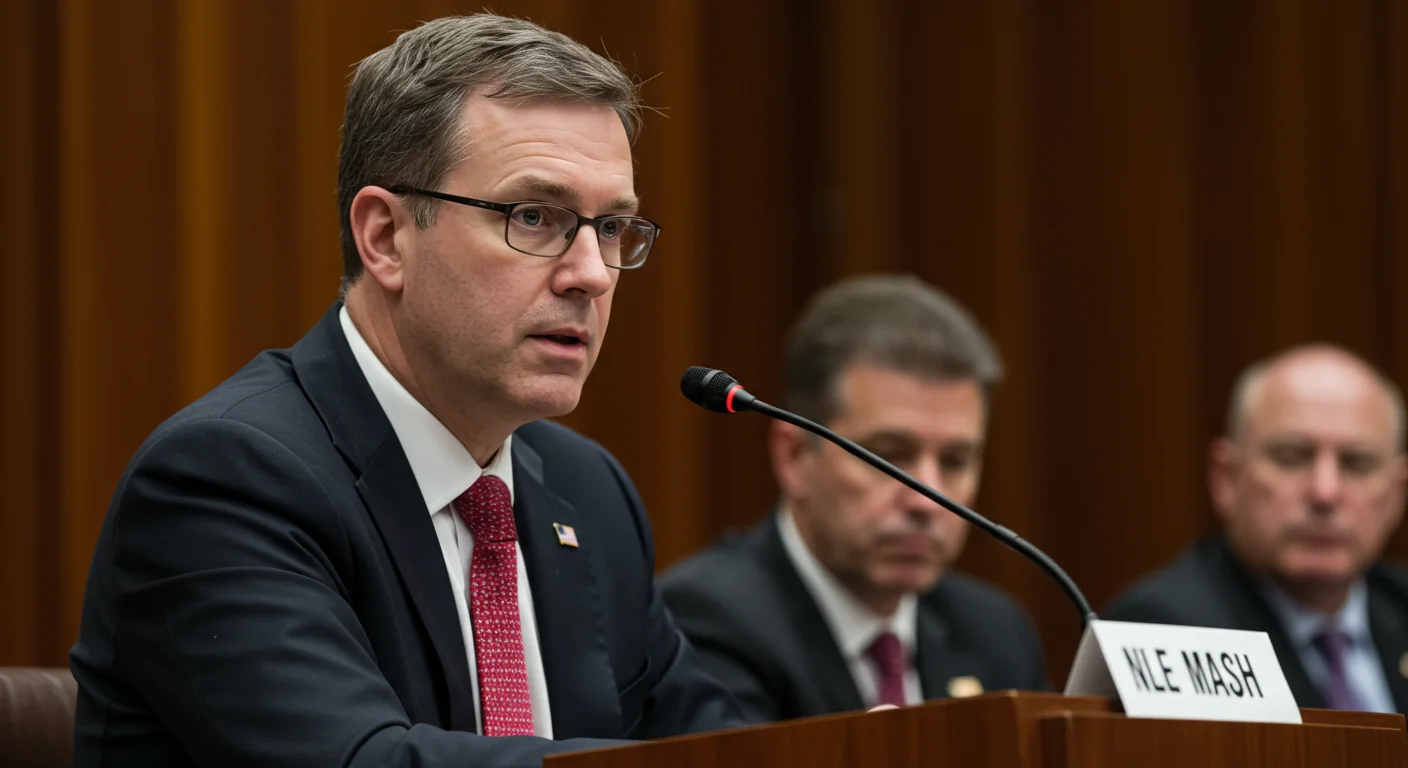
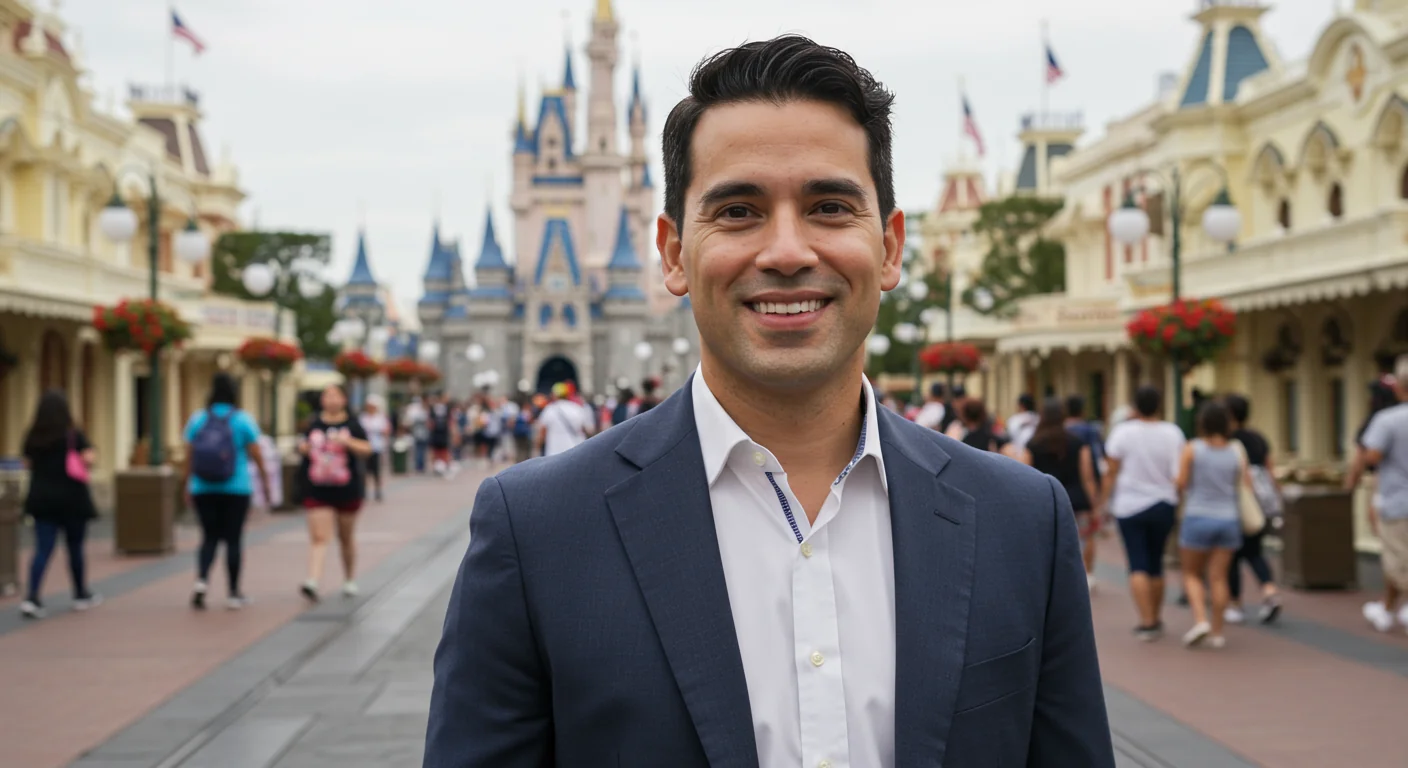
Josh D'Amaro stepped into one of the most scrutinized corner offices in corporate America — in a year defined by major corporate moves like the Rio Tinto vs Glencore merger collapse and SpaceX's IPO filing on March 18, 2026 — officially becoming the CEO of The Walt Disney Company, succeeding Bob Iger after a three-year succession saga that captivated Wall Street and Hollywood alike. Ten days into the job, his first moves are already signaling a clear directional shift: parks first, technology everywhere, storytelling above all.
Who Is Josh D'Amaro?
D'Amaro, 54, is a 28-year Disney veteran who spent the last five years running Disney Experiences — the company's theme parks, cruise lines, resorts, and consumer products. Under his watch, Disney Experiences became the company's most profitable and fastest-growing segment, generating billions in operating income even as the streaming business bled cash during the Disney+ buildout.
He is not a Hollywood creature. He's an operations man — a builder who reopened Disneyland after COVID, oversaw the launch of Star Wars: Galaxy's Edge, and championed the company's $60 billion parks investment plan. That background shapes everything about his early strategy.
- CEO Since: March 18, 2026
- Disney Tenure: 28 years
- Previous Role: Chairman, Disney Experiences (parks, cruises, resorts)
- Dana Walden: Named President & Chief Creative Officer, reporting to D'Amaro
- Bob Iger: Remains as Senior Advisor and Board member through Dec 31, 2026
- Disney Market Cap: ~$200 billion at time of transition
The "One Disney" Vision
D'Amaro's central organizing idea, articulated in his first public remarks as CEO, is "One Disney" — a tighter integration of the company's sprawling divisions. In practice, that means the film studios, streaming services, ESPN, and the parks all pulling in the same direction rather than operating as semi-independent fiefdoms competing for budget and attention.
The early read from analysts: this is a direct repudiation of the structural fragmentation that plagued the Chapek era. Bob Chapek had restructured Disney into a streaming-first hierarchy that sidelined the parks and alienated the creative talent. D'Amaro is unwinding that instinct.
Parks: The $60 Billion Bet Gets Personal
D'Amaro's first international trip as CEO was telling. On March 27, 2026 — just nine days into the job — he flew to Paris for the opening of Disneyland Paris's "World of Frozen" expansion, alongside French President Emmanuel Macron, announcing 1,000 new local jobs. It's the kind of move that says: this is a parks guy who is now the CEO, not a CEO who happens to oversee parks.
The $60 billion capital investment plan Iger announced in 2023 is still the roadmap, but D'Amaro is expected to accelerate its execution. New cruise ships (the ninth, Disney Believe, is already announced), resort expansions, and new themed lands are all in the pipeline.
Streaming: Profitable at Last, But Now What?
The streaming wars are effectively over, and Disney+ has survived — see best streaming services in 2026 ranked to see where Disney+ sits competitively — but barely. The combined streaming division (Disney+, Hulu, ESPN+) turned its first profit in Q3 2024: $47 million on billions in cumulative losses. D'Amaro inherits a streaming operation that is finally in the black but faces growth questions.
His moves here will be watched closely. Dana Walden — who ran Disney+ and Hulu programming as Co-Chairman of Disney Entertainment — is now his Chief Creative Officer. That pairing suggests the streaming strategy will be creatively driven rather than financially engineered. Expect fewer budget cuts and more bets on premium IP.
Upcoming content investments include Toy Story 5, Lilo & Stitch 2, and Incredibles 3, all of which are designed to feed both theatrical revenue and streaming subscriber retention.
ESPN: The Wildcard
Perhaps D'Amaro's trickiest inheritance is ESPN. The network is mid-transition to a direct-to-consumer model under Chairman Jimmy Pitaro, with an ESPN flagship streaming app in development. The network will broadcast the Super Bowl for the first time in the coming year — a landmark moment that underscores its still-enormous live sports reach.
But cord-cutting continues to erode the cable bundle that made ESPN a cash machine. Disney's streaming fight intensifies in a market shaped by platforms like Netflix, which now carries WrestleMania 42 and live sports events. D'Amaro must navigate the transition without breaking the financial engine that still funds much of Disney's content slate.
The Succession That Didn't Break Disney
It's worth pausing on what just happened: Disney pulled off a major CEO transition without a scandal, a stock collapse, or a public breakdown. After the Chapek disaster — characterized by talent feuds, political missteps, and a stock that lost nearly half its value — the company's board, led by James Gorman, ran a deliberate, professional process.
What Analysts Are Watching
The early reaction from Wall Street has been cautiously positive. D'Amaro is seen as operationally credible — he ran the division that actually makes money — and his relationship with the creative community appears warmer than Chapek's ever was. Naming Walden as CCO was a smart move: it keeps a Hollywood insider at the table while letting D'Amaro focus on the business architecture.
The risk, per media analyst Rich Greenfield (LightShed Partners), is that D'Amaro's parks instincts may bias capital allocation toward physical experiences over digital ones — potentially slowing ESPN's streaming transition or underfunding content for Disney+.
The Bottom Line
Ten days is too early to grade a CEO. But D'Amaro's opening moves — a Parisian parks visit, a "One Disney" rallying cry, and a CCO partner who owns the creative side — suggest a leader who knows exactly what Disney is and wants to make more of it. Not disrupt it, not pivot it into a tech company. More of it.
For a company that spent the last four years in an identity crisis, that clarity may be the most valuable thing he brings to the job.
Bob Iger's formal exit comes December 31, 2026. Until then, he stays on the board as Senior Advisor. The magic kingdom has a new king — and the early signs suggest he knows how to run it.