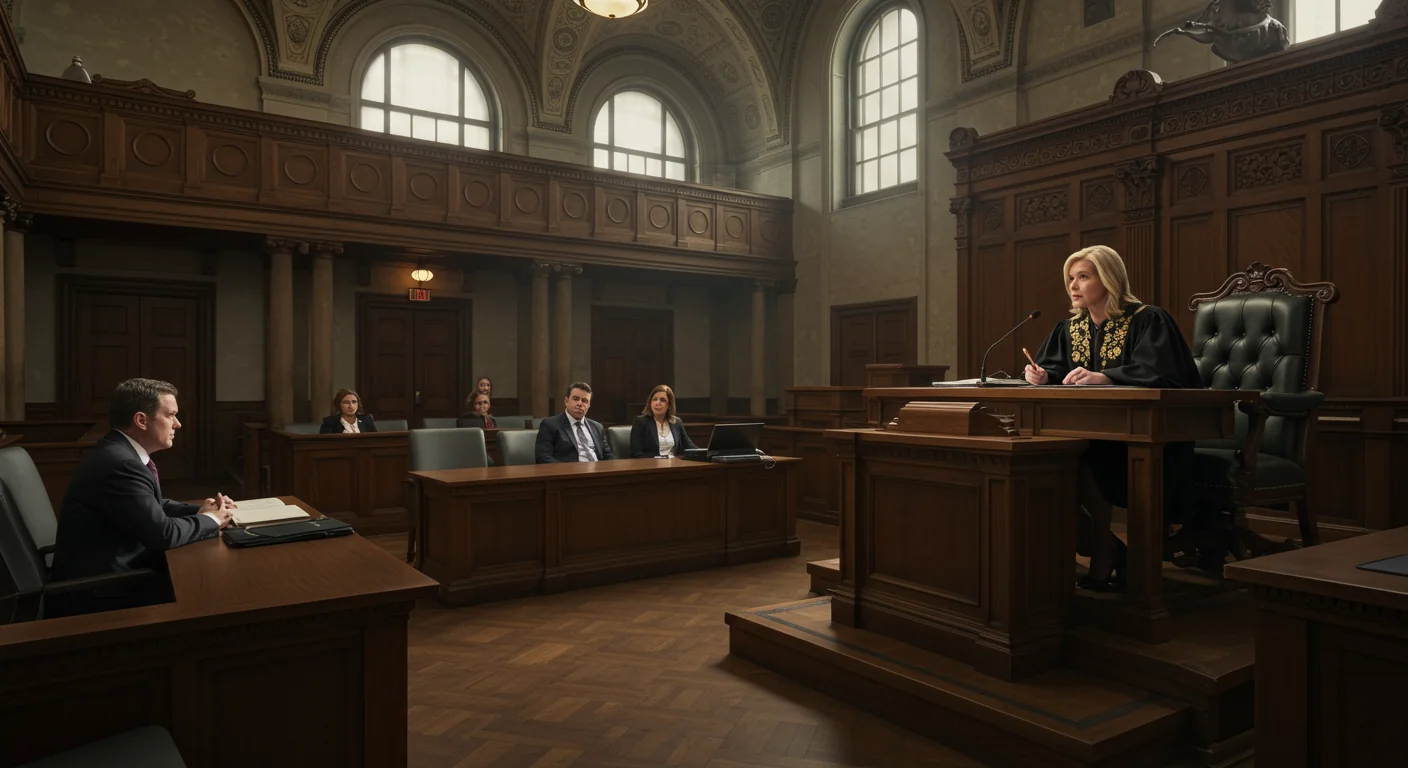
A California jury found Meta and YouTube liable for designing addictive platforms that harmed a young woman's mental health, awarding $6 million in damages in the first social media addiction trial to reach a verdict. The ruling, delivered March 25, 2026, could reshape the entire tech industry.
The verdict landed one day after a separate New Mexico jury ordered Meta to pay $375 million for endangering children. Together, the two rulings signal that courts are done waiting for Big Tech to self-regulate.
What the Jury Decided
- Plaintiff: K.G.M., a 20-year-old woman who began using YouTube at age 6 and Instagram at age 9
- Defendants: Meta (Instagram) and YouTube (Google)
- Verdict: Both companies found negligent in platform design
- Total damages: $6 million — $3 million compensatory, $3 million punitive
- Liability split: Meta 70% ($4.2 million), YouTube 30% ($1.8 million)
- Key finding: Companies acted with "malice, oppression, or fraud"
The plaintiff — identified only as K.G.M. or Kaley — testified that years of compulsive social media use starting in childhood led to depression, self-harm, body dysmorphia, and social phobia. Her lawyers argued that features like infinite scrolling, autoplay, and algorithmic recommendation systems were deliberately engineered to maximize engagement at the expense of user wellbeing.
The jury agreed. They found both companies knew their designs were dangerous for minors but failed to warn users or change course.
The Features on Trial
This wasn't a case about content moderation or cyberbullying. The lawsuit targeted the architecture of the platforms themselves.
- Infinite scroll removes natural stopping points
- Autoplay exploits dopamine feedback loops
- Algorithmic feeds prioritize engagement over safety
- Like counts and notifications trigger compulsive checking
- No meaningful age-gating or time limits for minors
- Platforms offer parental controls and safety features
- Users choose how much time to spend online
- Mental health issues have multiple causes
- Section 230 protects platform design decisions
- Existing tools like screen time limits address concerns
The jury rejected the defense arguments. Both companies said they disagree with the verdict and plan to appeal.
Two Verdicts in Two Days
The California ruling came just 24 hours after a New Mexico jury delivered an even larger blow to Meta.
| Case | Location | Defendant | Damages | Key Claim |
|---|---|---|---|---|
| K.G.M. v. Meta/YouTube | Los Angeles, CA | Meta + YouTube | $6 million | Addictive design harmed minor |
| New Mexico v. Meta | Santa Fe, NM | Meta | $375 million | Enabled child exploitation |
The New Mexico case, filed by Attorney General Raúl Torrez in 2023, alleged that Meta's platforms allowed predators to find, groom, and exploit children. Undercover investigators created accounts posing as minors and documented sexual solicitations — and Meta's failure to act.
The $375 million penalty represents 75,000 violations of New Mexico's Unfair Practices Act at $5,000 each — the maximum allowed.
The Tsunami of Lawsuits Behind This
These two verdicts are the tip of the iceberg.
All federal cases are consolidated in a multidistrict litigation (MDL No. 3047) in the Northern District of California. The defendants include Meta, Google (YouTube), Snap (Snapchat), and ByteDance (TikTok).
Notably, TikTok and Snapchat settled with K.G.M. before the California trial began. The terms are confidential, but the fact that they chose to settle rather than face a jury is telling.
Why This Verdict Matters More Than the Dollar Amount
Six million dollars is pocket change for Meta, which reported $165 billion in revenue last year. But the verdict's significance is structural, not financial.
This was a bellwether trial — a test case designed to signal how juries will rule on similar claims. The answer is now clear: juries are willing to hold platforms liable for their design choices, not just their content.
That has three massive implications:
1. Section 230 is weakening. The traditional shield that protected platforms from liability for user-generated content doesn't cover claims about platform design. Courts are drawing a line between hosting content and engineering addiction.
2. Settlements are coming. With a plaintiff-friendly bellwether verdict on the books, the pressure on Meta, Google, Snap, and ByteDance to settle the remaining 2,400+ cases just skyrocketed. Analysts expect a wave of settlement negotiations in Q2 2026.
3. Platform redesigns may be forced. If verdicts hold on appeal, companies may need to fundamentally change how their products work for minors — removing infinite scroll, disabling autoplay, and imposing real age verification.
What Happens Next
Both Meta and YouTube have vowed to appeal. Their legal teams will likely argue that the plaintiff's mental health issues had multiple causes, that existing parental controls were adequate, and that platform design falls under protected speech.
But the direction is unmistakable. After years of congressional hearings, internal whistleblower documents, and public outrage, the courts have begun to act where legislators have stalled.
The Bottom Line
March 25, 2026, may be remembered as the day Big Tech's immunity ended. Not because of the $6 million verdict itself, but because a jury of ordinary people looked at how Instagram and YouTube were built and said: you knew this was dangerous, you did it anyway, and you're responsible for the damage.
With 2,400 more lawsuits waiting, the question is no longer whether social media companies will pay. It's how much.