Euclid's Dark Universe Map: 26 Million Galaxies Found in 0.4% of the Sky
ESA's Euclid telescope is mapping dark matter across 10 billion years of cosmic history. Here's what 35 terabytes of data reveal about the invisible universe.
Latest news and analysis in science.
ESA's Euclid telescope is mapping dark matter across 10 billion years of cosmic history. Here's what 35 terabytes of data reveal about the invisible universe.
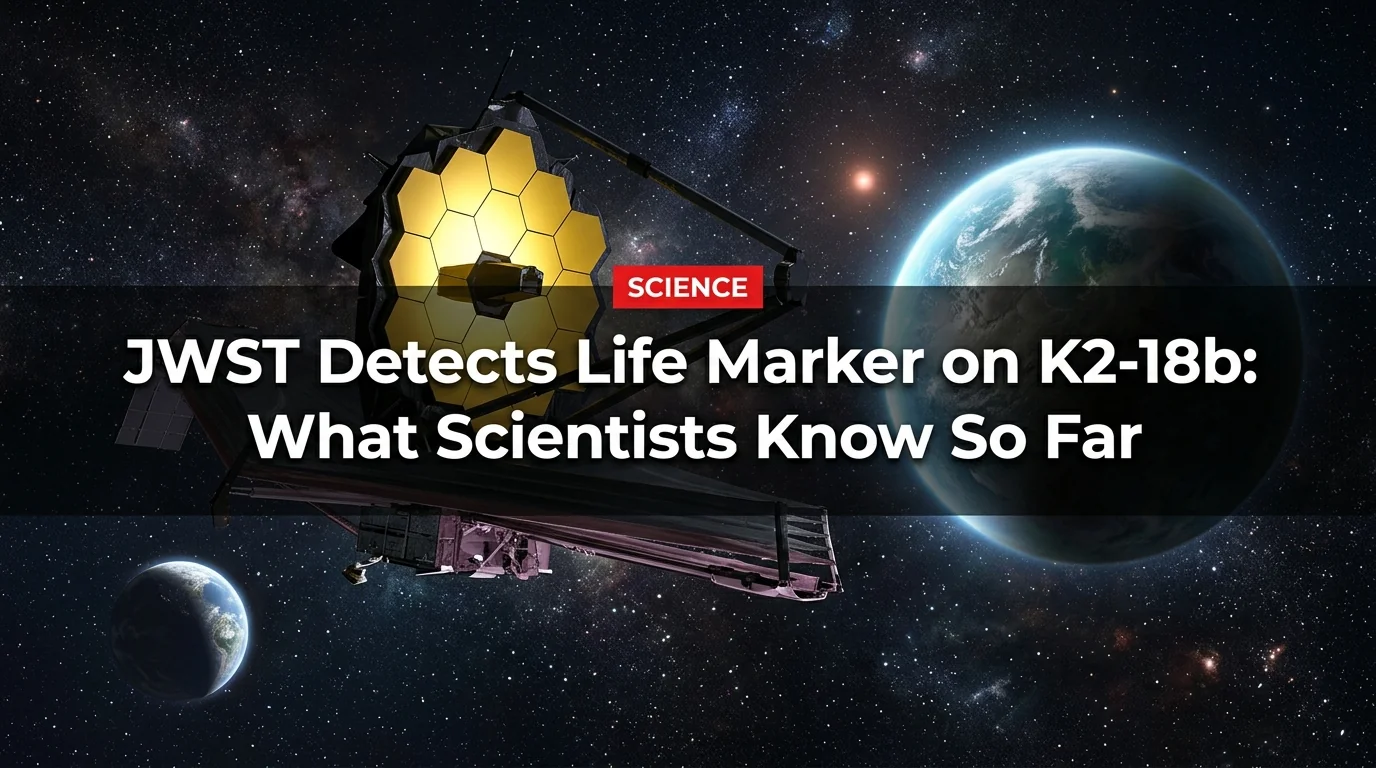
The James Webb Space Telescope found dimethyl sulfide on exoplanet K2-18b — a molecule linked to life on Earth. Here is what the discovery means and what comes next.
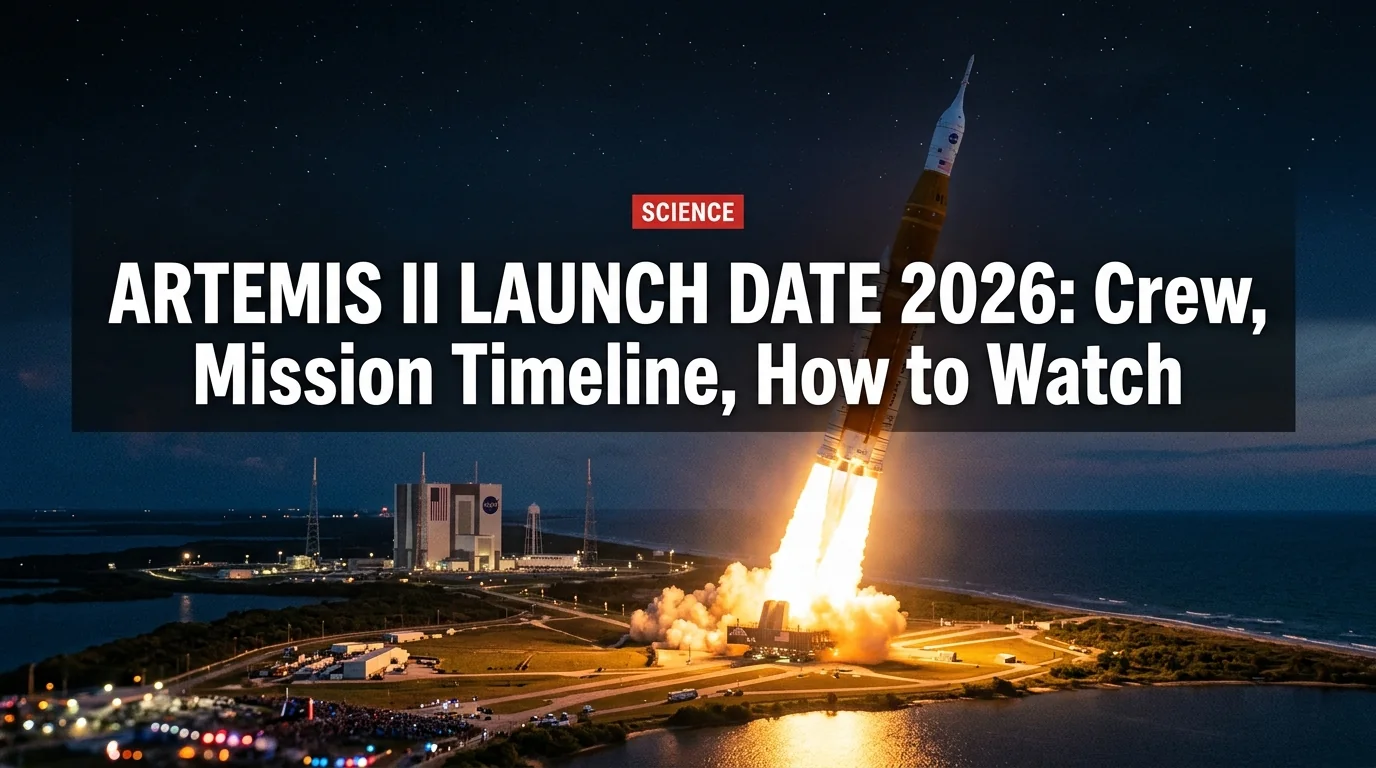
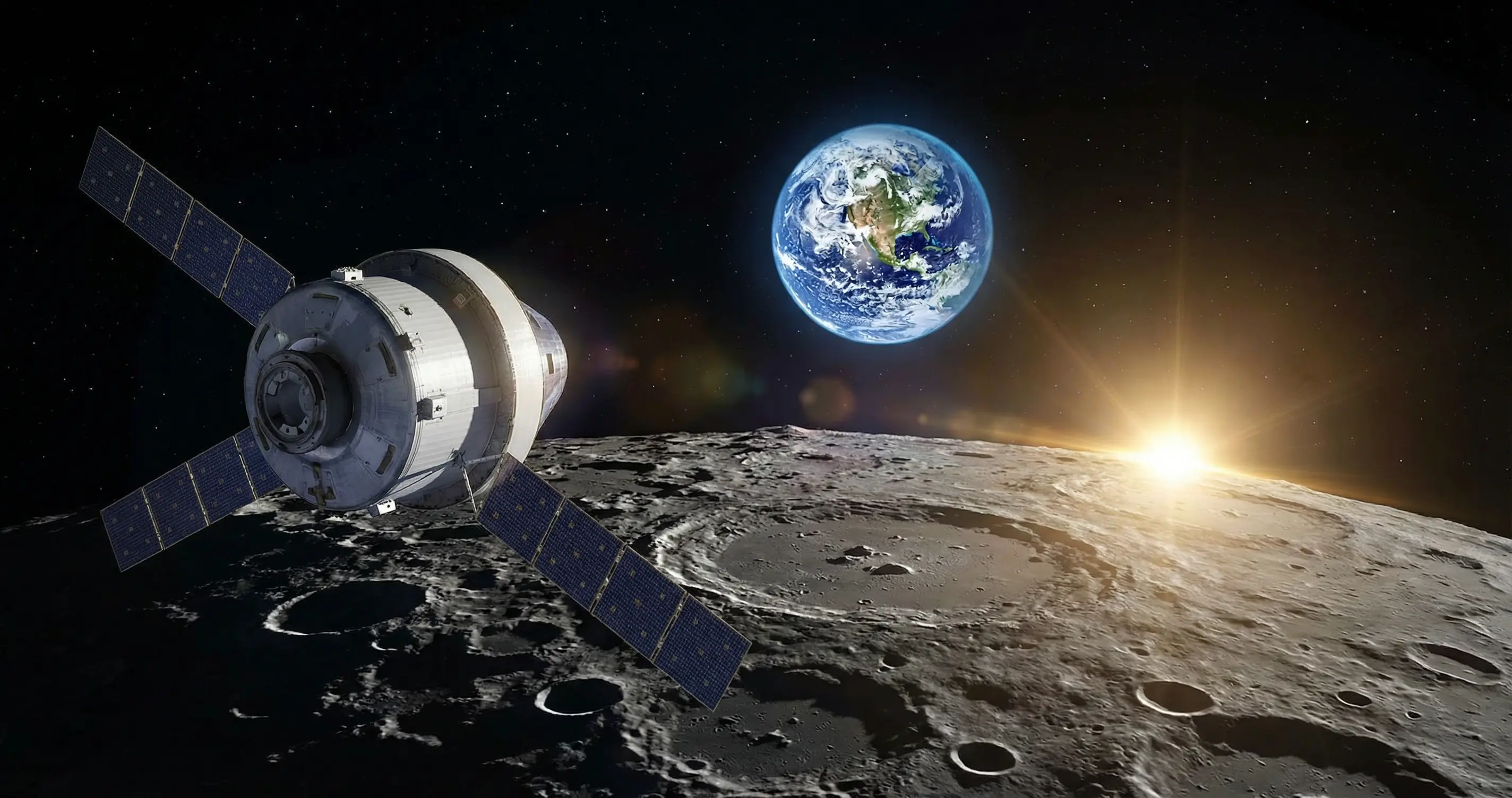
Complete guide to NASA's Artemis II Moon mission launching April 1, 2026. Meet the four-person crew, follow the timeline, and watch live.
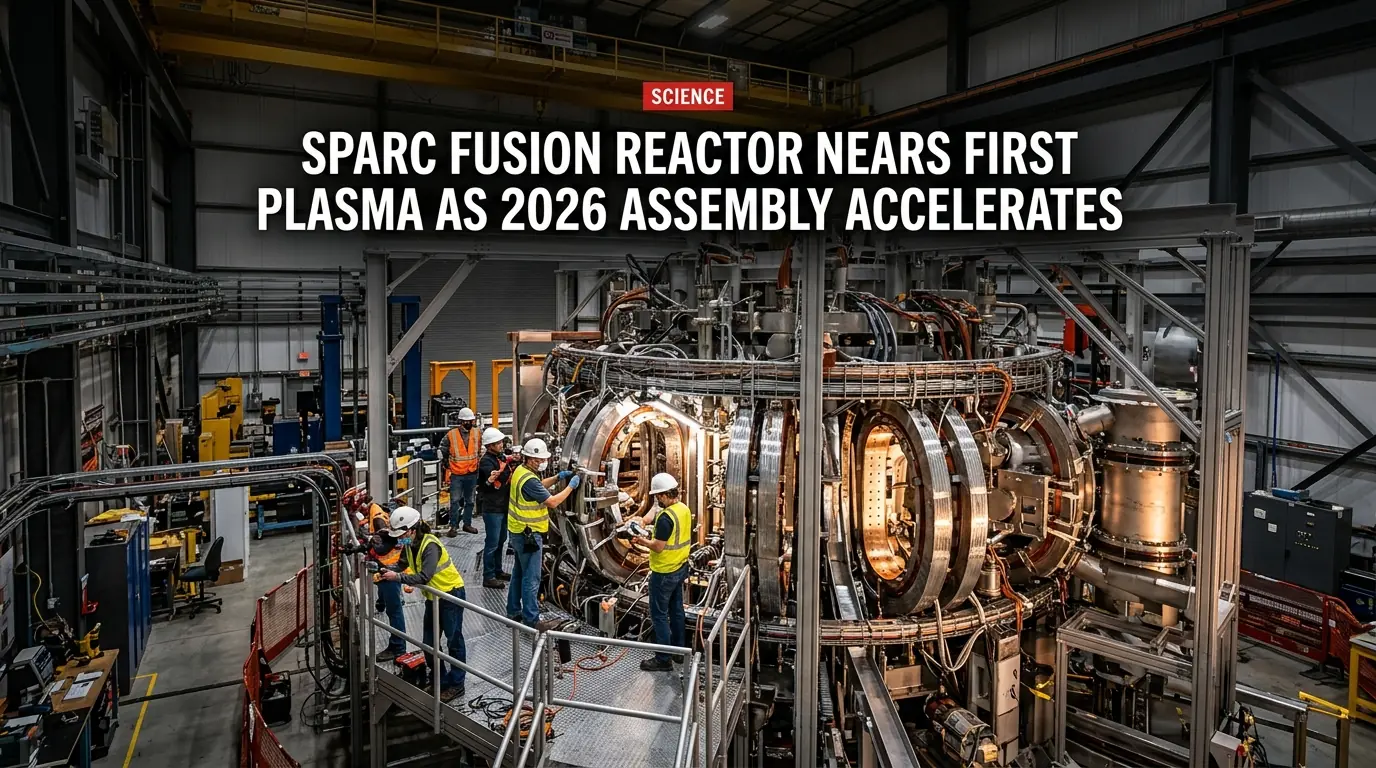
Commonwealth Fusion Systems races to hit first plasma by late 2026 with its compact SPARC tokamak. Net energy gain — fusion's holy grail — could follow in 2027.
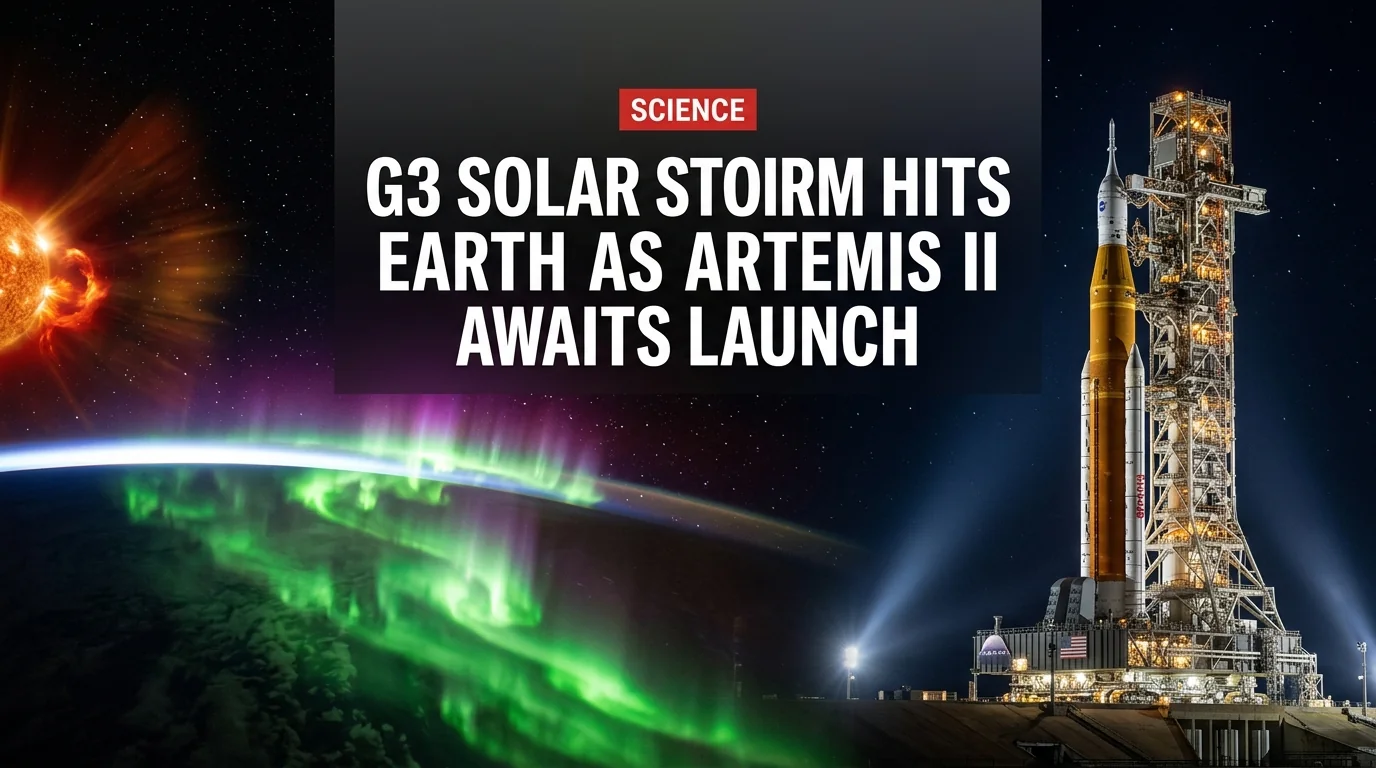
A powerful G3 solar storm impacts Earth just days before NASA's Artemis II Moon mission launch. Discover how this geomagnetic event could affect the historic journey.
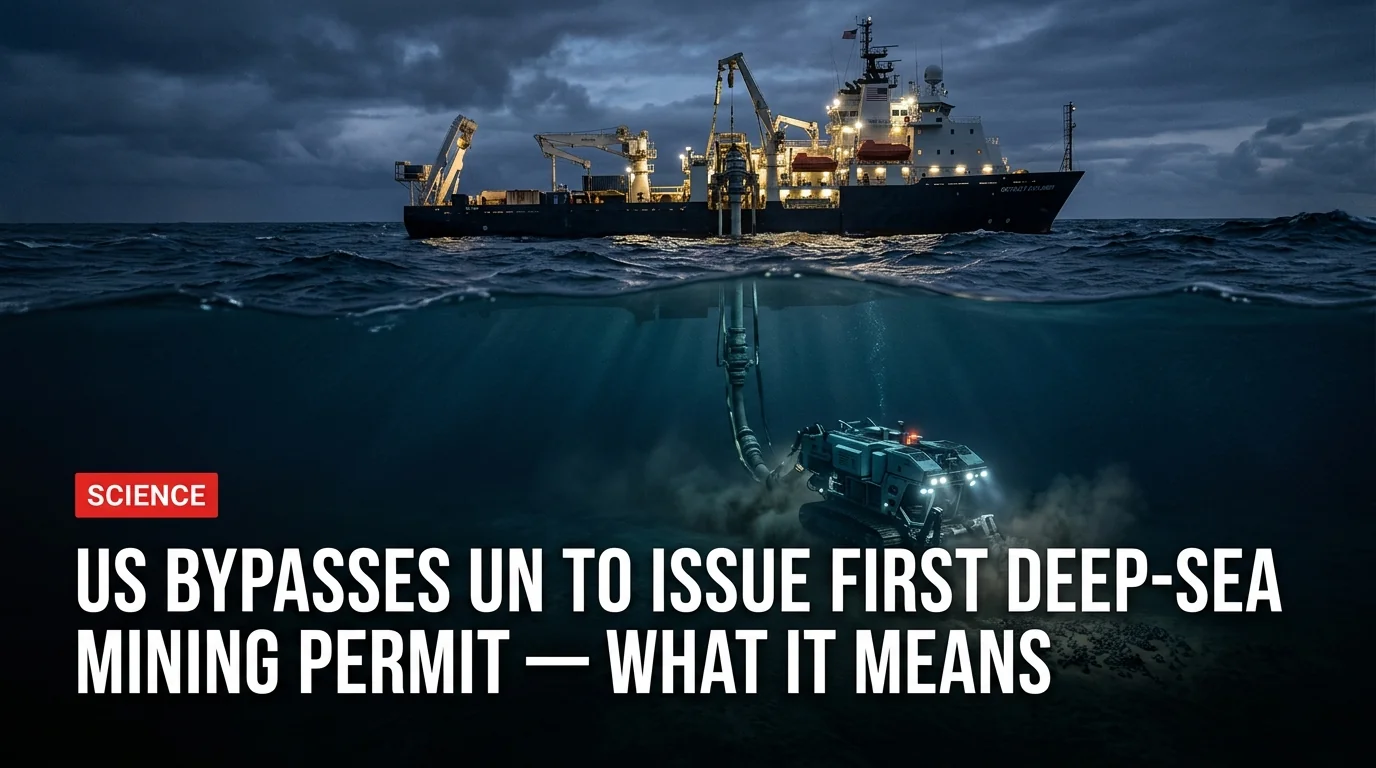
NOAA approved The Metals Company to mine the Pacific seabed, defying the International Seabed Authority and sparking a global ocean governance crisis.
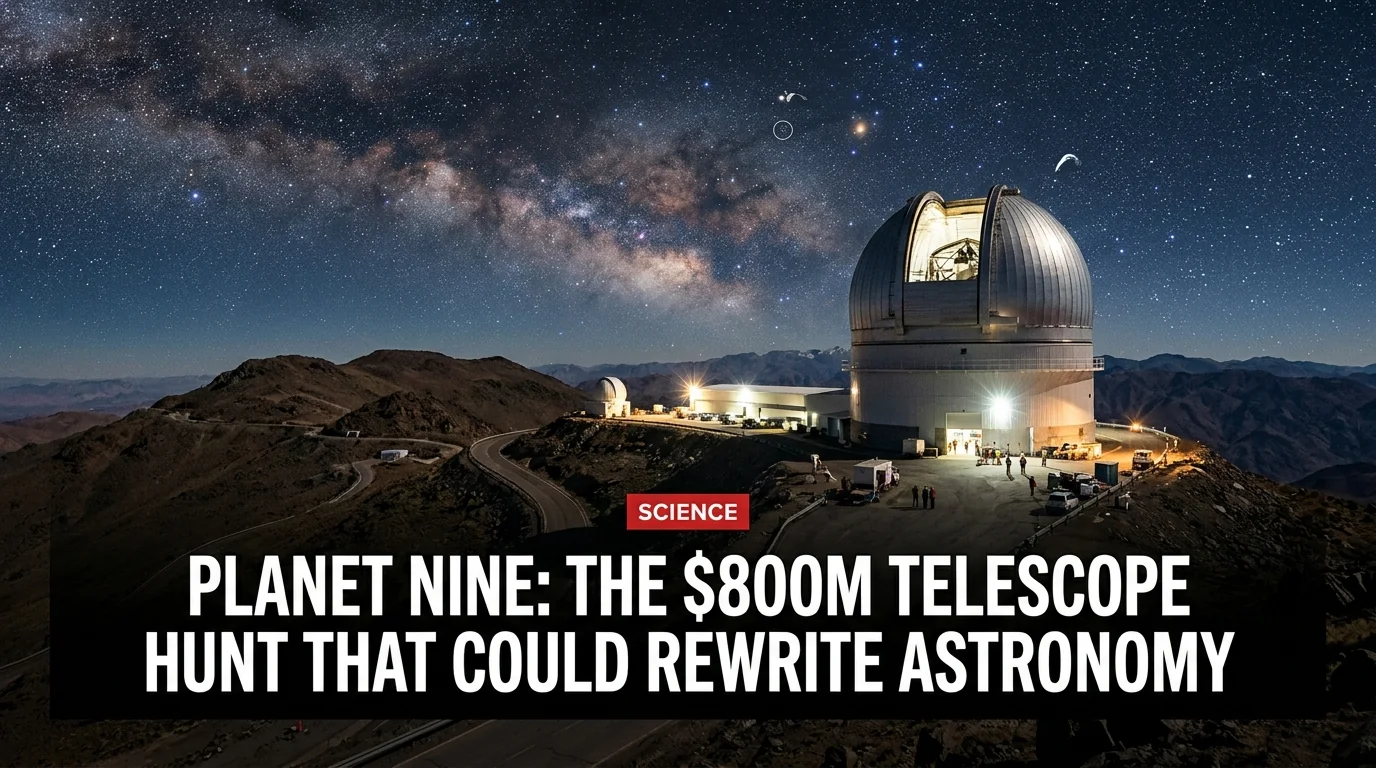
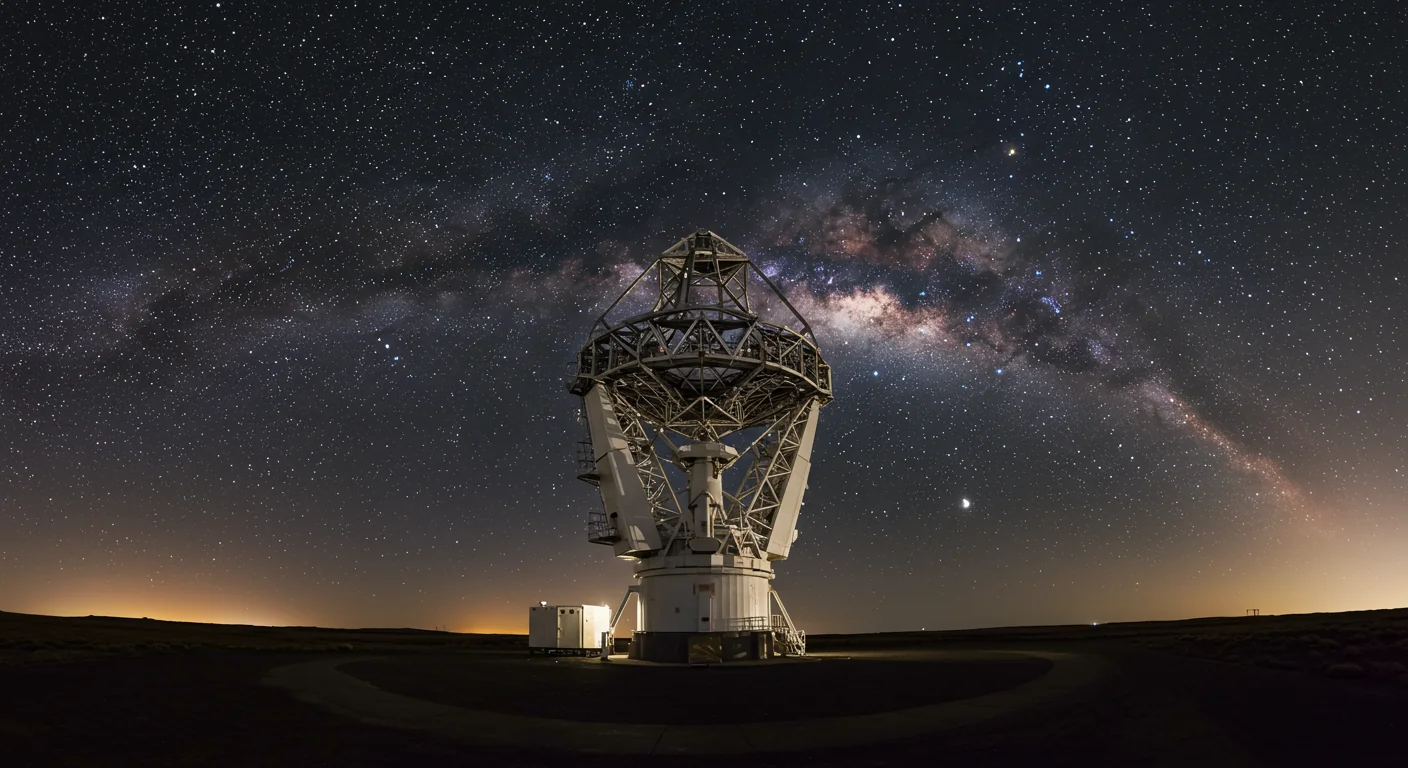
The Vera C. Rubin Observatory enters final commissioning as astronomers close in on Planet Nine. Here's every clue, timeline, and what discovery would mean.
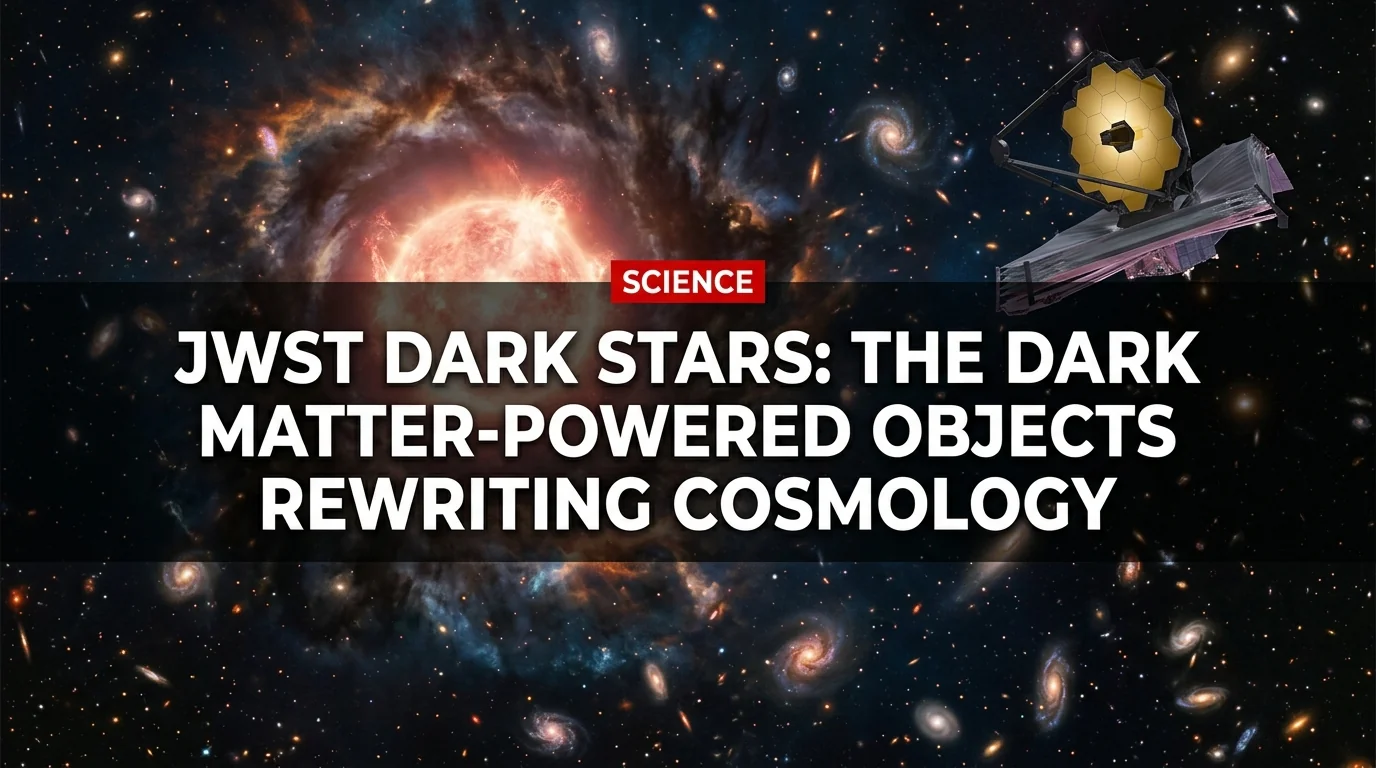
Scientists say the James Webb Space Telescope found dark stars — massive objects fueled by dark matter, not fusion — that could solve three cosmic mysteries.
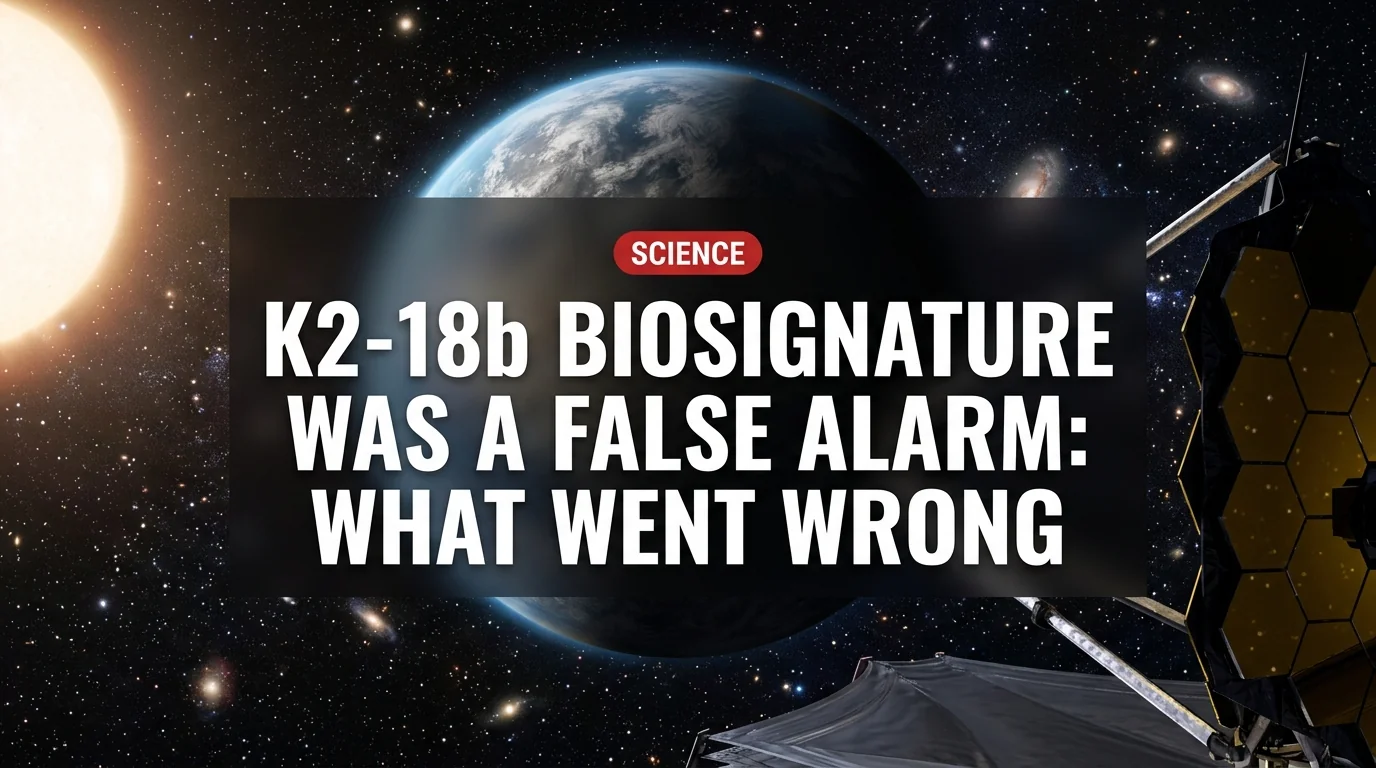
New research dismantles JWST's most hyped finding — the dimethyl sulfide signal on exoplanet K2-18b can be explained by 59 other molecules, not alien life.
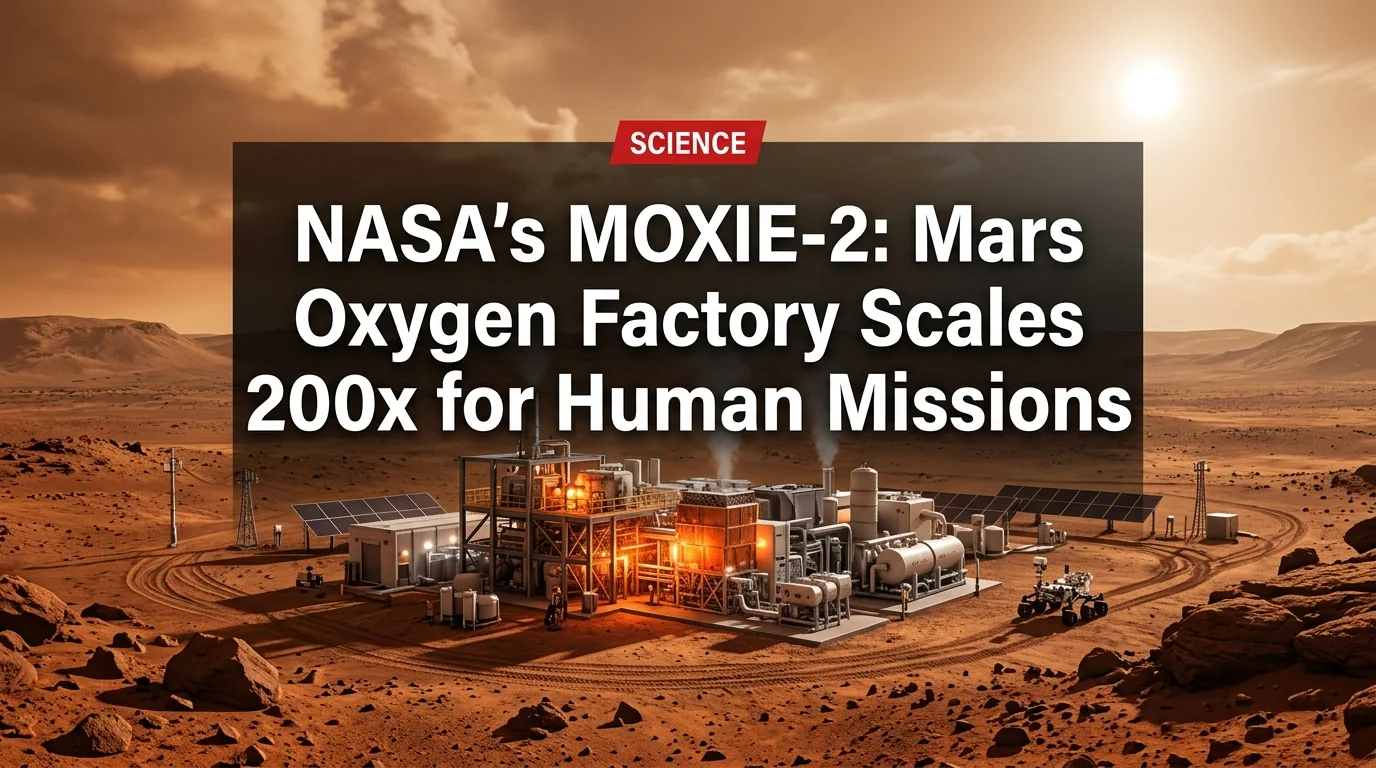
NASA and OxEon Energy are building an industrial oxygen factory for Mars, producing 30 metric tons from thin air. Here's how MOXIE-2 changes everything.
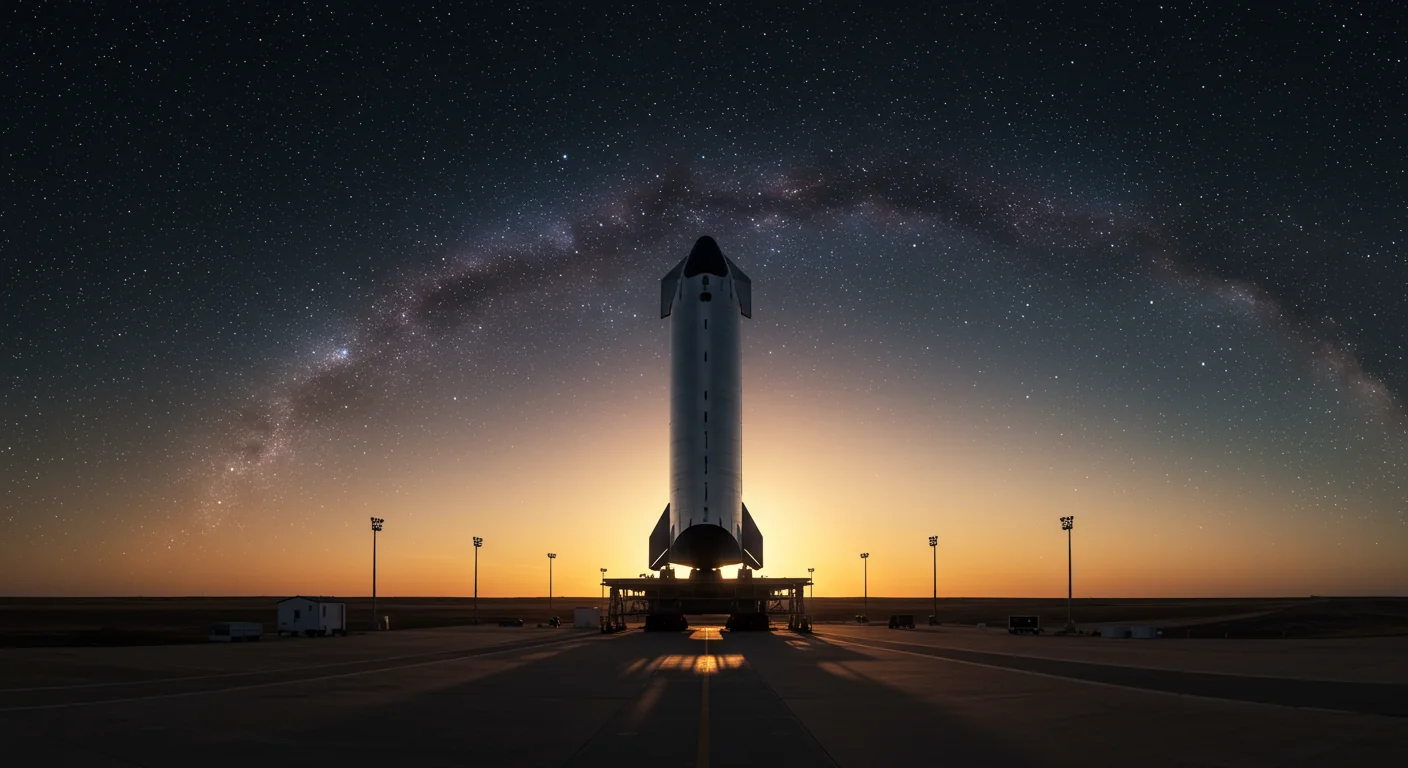
SpaceX postpones its uncrewed Starship Mars landing to 2028, shifting resources to NASA Artemis lunar deadlines as Starship V3 completes first static fire.
The DESI 3D cosmic map of 18.7 million galaxies suggests dark energy may be weakening, challenging Einstein's cosmological constant and standard physics.
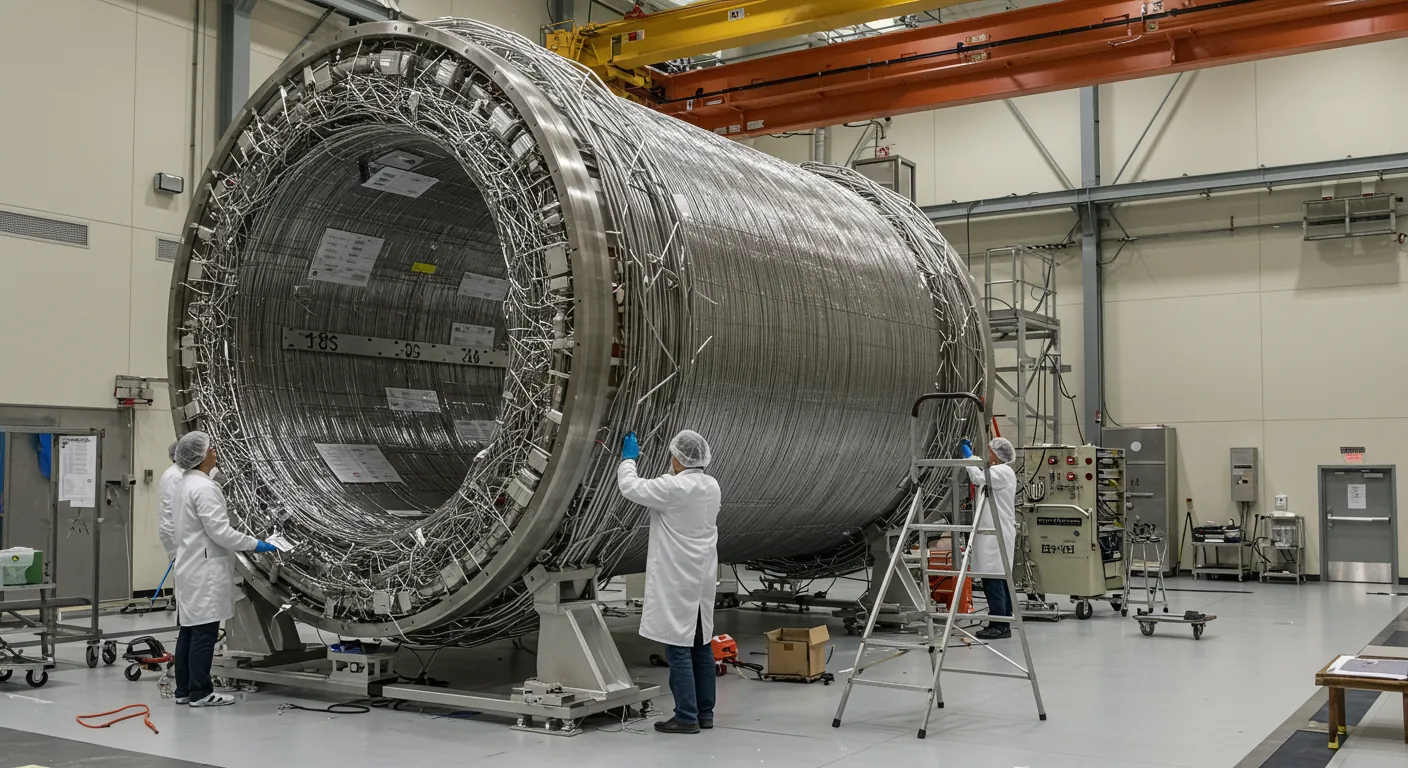
Commonwealth Fusion Systems has installed the first toroidal field magnets on its SPARC reactor in Massachusetts, advancing toward first plasma by late 2026.
Using 12.6 years of data, IceCube set the tightest limit yet on neutrinos above 10 PeV and used it to constrain the proton fraction in ultra-high-energy cosmic rays for the first time.
A new catalyst turns ethanol into hydrogen and acetic acid at 270°C with no direct CO2 release. The process can meet U.S. green hydrogen rules and has been run 100+ hours continuously.
Scientists have found obelisks—viroid-like RNA elements—in bacteria across seven continents. They appear in half of oral samples and force a rethink of what counts as alive.
Aurora activity peaks in 2026. Best months are December–February; best hours 10 p.m.–4 a.m. Here are the top locations in North America and Europe.
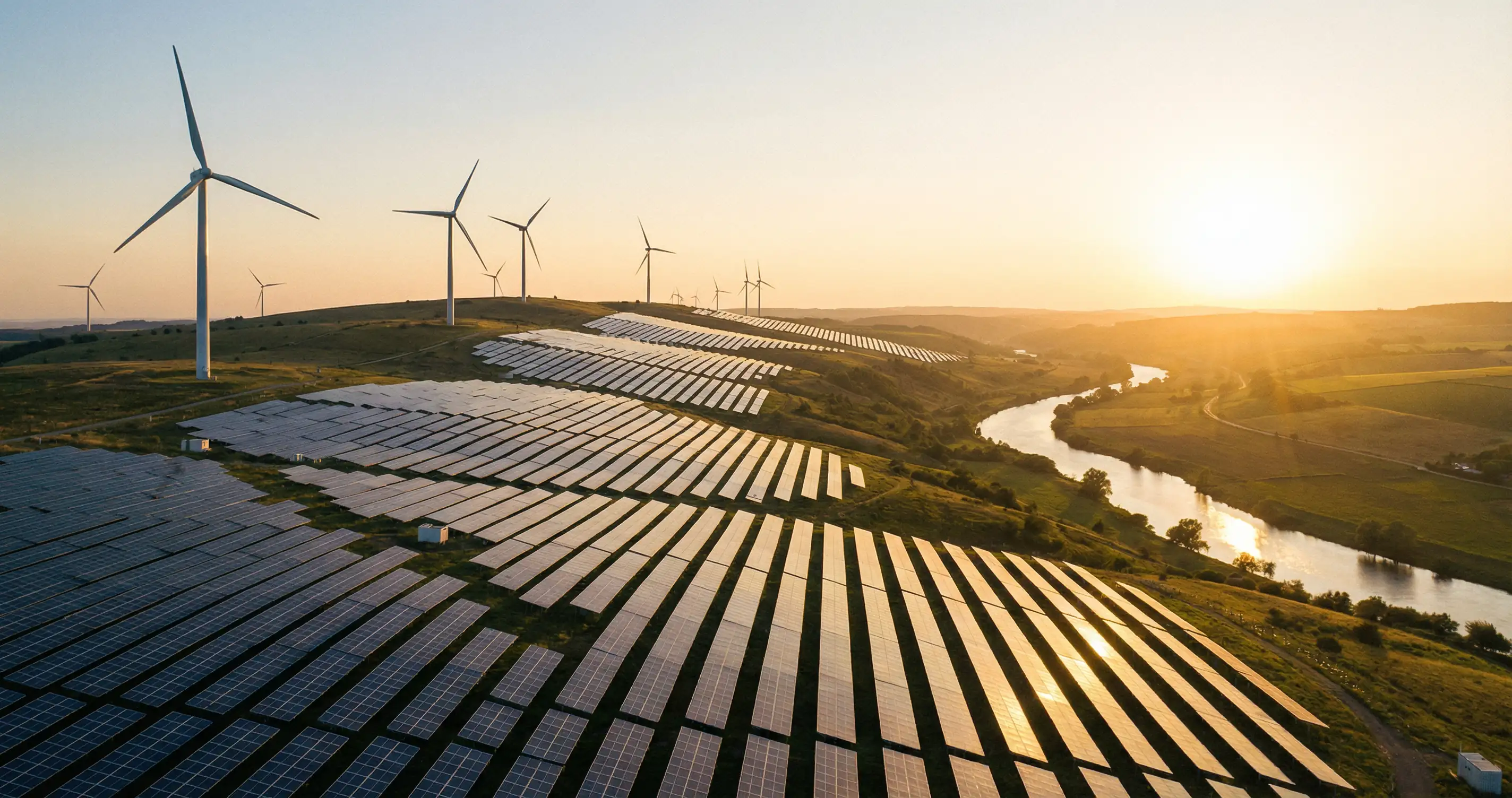
Solar and wind generated more electricity than coal for the first time in 2025. Global renewable capacity additions reached 793 GW amid record solar deployment in China, India, and the EU.
Artemis II wet dress rehearsal revealed fueling and valve issues; first crewed lunar flyby is now no earlier than March 2026. Artemis III, the first crewed Moon landing since Apollo, slips to 2028.
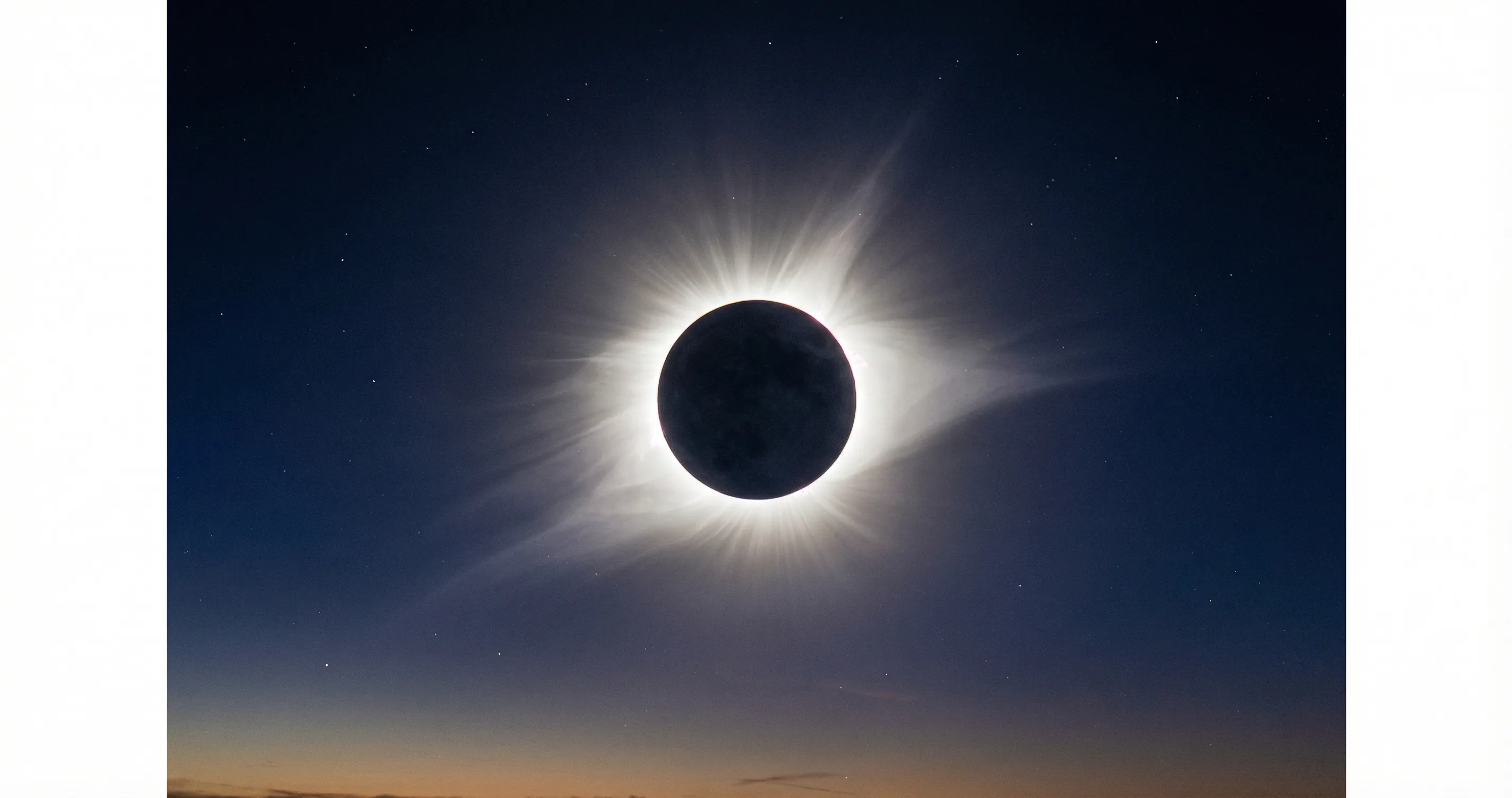
A total solar eclipse crosses Europe and the Arctic on August 12, 2026—the first totality over mainland Europe since 1999. Path and viewing guide.
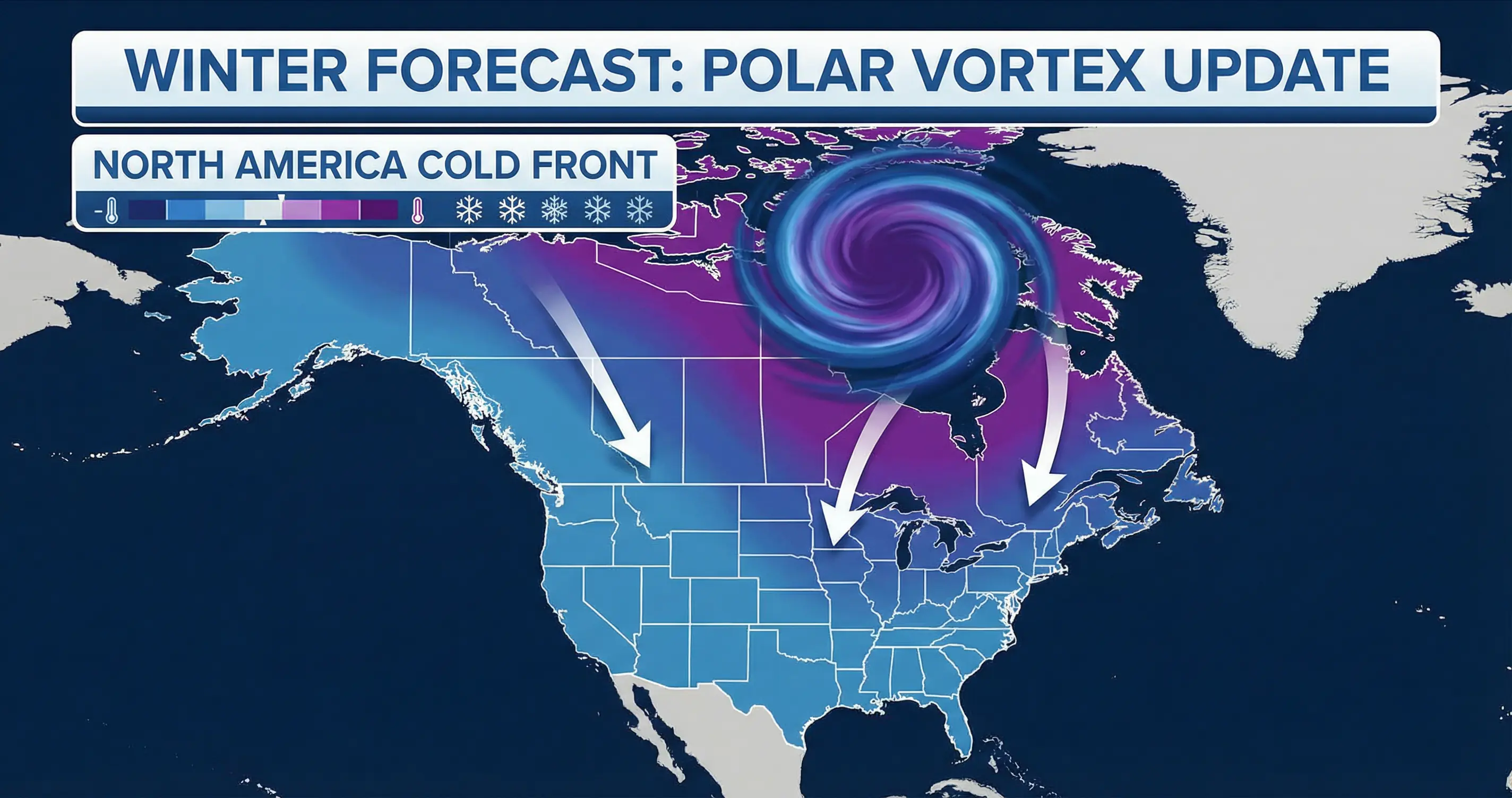
A rare polar vortex split is forecast for mid-February 2025. Sudden stratospheric warming could send Arctic air into North America.