Iran War Escalates: Strikes on Tehran, Daring Rescue, and a Tuesday Ultimatum
The conflict between the United States, Israel, and Iran reached a critical new threshold overnight as joint airstrikes struck the Iranian capital of Tehran and the holy city of Qom, killing more than 25 people and triggering an immediate military response from Tehran. Within hours, President Trump issued a dramatic social media ultimatum, Special Operations forces completed a daring rescue deep inside Iranian territory, and global oil prices surged toward $111 per barrel.
Overnight Strikes on Tehran and Qom
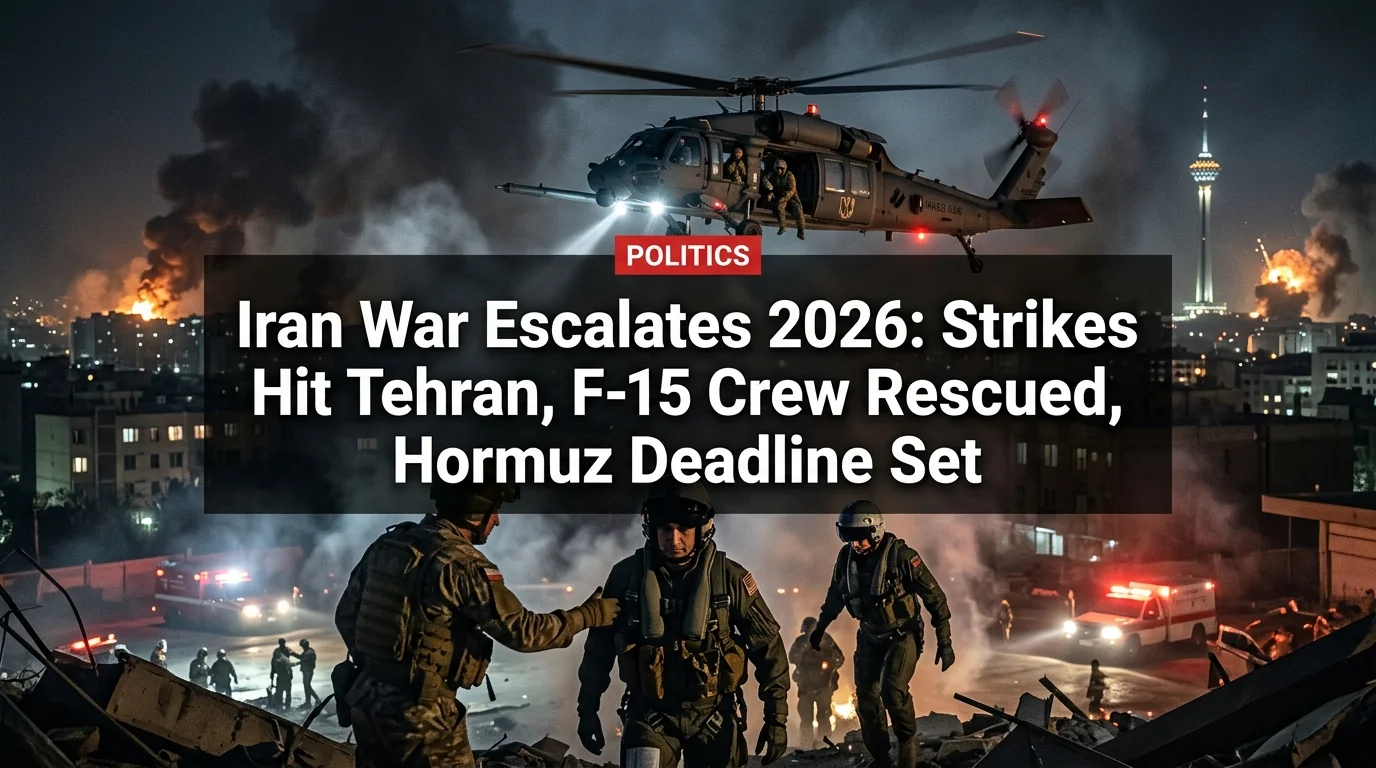
US and Israeli aircraft conducted coordinated strikes on targets in Tehran and Qom in the early morning hours of April 6, according to multiple reports. The strikes killed more than 25 people and wounded dozens more. Iranian state media confirmed the attacks and described significant damage to infrastructure in both cities.
Qom, home to Iran's most significant Shia religious institutions and a center of the country's nuclear and clerical establishment, was struck alongside the capital — a highly symbolic escalation that sent shockwaves through the region.
Iran's military responded within hours, launching retaliatory strikes. Iranian officials vowed further retaliation and placed their armed forces on heightened alert. The Islamic Revolutionary Guard Corps (IRGC) confirmed it had initiated defensive operations.
Trump Issues Strait of Hormuz Ultimatum
President Trump used his Truth Social platform early Monday to deliver what analysts are calling the most direct ultimatum of the conflict so far. In a post that went viral within minutes, Trump demanded that Iran reopen the Strait of Hormuz — the narrow waterway through which roughly 20% of global oil supply passes — by Tuesday or face consequences he described as "far worse than anything seen so far."
The post has sent global markets into a tailspin. Diplomats in Europe and the Gulf scrambled to respond, with several nations calling emergency consultations. The 24-hour deadline has set up what geopolitical analysts describe as a potential inflection point: either a negotiated off-ramp or a dramatic further escalation.
Special Operations Rescue: Two F-15 Airmen Recovered
In a dramatic operation confirmed by the White House Monday morning, US Special Operations forces successfully rescued two American airmen who had been missing since their F-15 was shot down over Iranian territory earlier in the conflict. The operation involved a "heavy firefight" in the mountainous terrain of northwestern Iran before the crew was extracted.
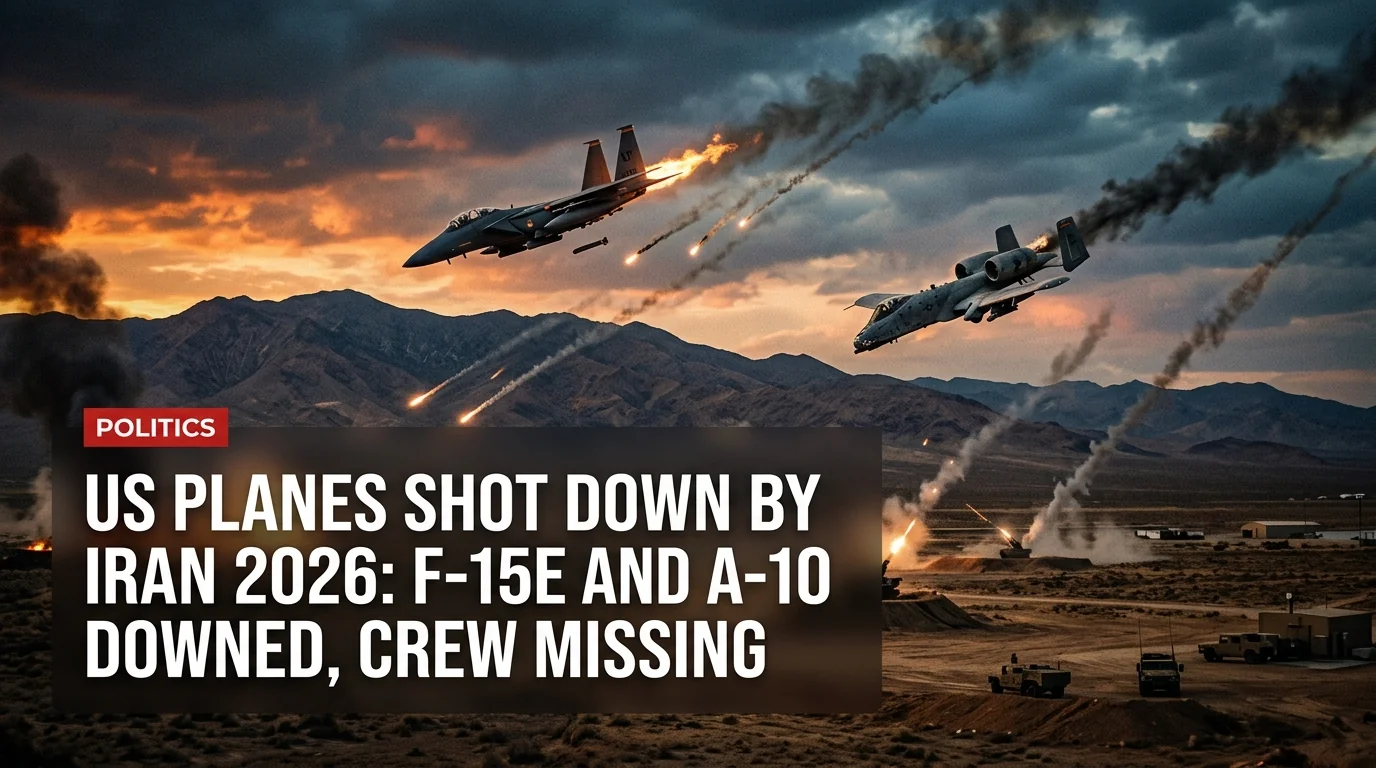
Both airmen are reported to be alive and receiving medical attention. The rescue was confirmed by White House spokesperson communications and marks a significant morale moment for US forces amid an otherwise tense escalation. The earlier loss of the aircraft — alongside an A-10 — had been one of the most visible setbacks for US operations since the conflict began.
Markets in Turmoil: Oil Near $111, Equities Fall
Global financial markets are reacting sharply to the overnight developments. Brent Crude oil surged to nearly $111 per barrel — levels not seen since the peak of the 2022 energy crisis — as traders priced in the possibility of a sustained Strait of Hormuz closure. US equity futures fell sharply in pre-market trading, with defense stocks the lone major gainer.
The spike in oil prices has immediate downstream effects: gasoline prices in the United States are expected to rise further this week, and airline stocks are under pressure as jet fuel costs climb. Central banks in Europe issued statements monitoring the situation closely.
What Happens Next
All eyes are now on Tuesday's deadline. Iran has not publicly indicated any willingness to reopen the Strait of Hormuz under threat, and hardline factions within the government have called for further retaliation. Moderate voices in Tehran are reportedly urging back-channel communications with Gulf intermediaries.
- Avoids further military escalation
- Reopens global oil supply routes
- Provides off-ramp for all parties
- Iran may escalate asymmetrically via proxies
- Regional allies could be drawn in
- Global energy crisis if Hormuz closes long-term
The coming 24 hours will be among the most consequential of the conflict. Whether Trump's ultimatum produces a negotiated outcome or triggers the next phase of military action, the events of April 6, 2026 have already marked a turning point in what has become the most significant Middle East military confrontation in a generation.