Spring 2026 is shaping up to be one of the worst allergy seasons in recent memory — and if you're already sneezing, you're not imagining it. Warmer winters, earlier tree budding, and climate-driven pollen surges have pushed the season weeks earlier than normal across the South and West. Here's everything you need to manage this spring without suffering through it.
What's Driving the Worst Spring Allergy Season in Years
The 2026 allergy season is longer, earlier, and more intense for three converging reasons:
- Warmer winters mean trees break dormancy weeks ahead of schedule
- Climate-driven pollen increases — scientists estimate pollen counts have risen 20–30% since 2000
- Extended growing seasons mean oak, birch, cedar, elm, and maple trees release pollen for longer periods
Spring Allergy Symptoms: Cold or Allergies?
The single biggest mistake people make is treating allergies like a cold. Here's how to tell the difference:
| Symptom | Allergies | Cold |
|---|---|---|
| Sneezing | ✅ Common | ✅ Common |
| Itchy eyes/nose/ears | ✅ Yes | ❌ Rare |
| Fever | ❌ Never | ✅ Sometimes |
| Duration | Weeks to months | 7–10 days |
| Body aches | ❌ No | ✅ Yes |
| Starts with | Pollen exposure | Virus contact |
Key rule: If your symptoms last more than 10 days and include itchiness anywhere, it's almost certainly allergies — not a cold.
Full Symptom Checklist
- Sneezing (often in bursts)
- Runny or stuffy nose
- Itchy, watery, or red eyes (allergic conjunctivitis)
- Postnasal drip causing cough or sore throat
- Fatigue and brain fog from poor sleep
- Sinus pressure and headaches
- Itchy ears or throat
- Wheezing (particularly if you have asthma)
The 20 Worst Cities for Spring Allergies 2026
The Asthma and Allergy Foundation of America (AAFA) released its 2026 Allergy Capitals report, ranking cities by pollen score, OTC medication use, and allergist availability. Boise, Idaho, tops the list for the first time — driven by high tree pollen and a critical shortage of allergy specialists.
Positions 11–20: San Francisco CA, Minneapolis MN, Salt Lake City UT, Richmond VA, Colorado Springs CO, Little Rock AR, Toledo OH, New Orleans LA, Winston-Salem NC, Lakeland FL.
Pollen Timeline: What's Hitting When
Best OTC Treatments for Spring Allergies 2026 — Ranked
Not all allergy medications work the same way. Here's the honest ranking based on efficacy, side effects, and value.
Oral Antihistamines
Winner for most people: Cetirizine (Zyrtec generic). Most potent of the three non-drowsy options. Works within 1 hour. Generic (cetirizine HCl) costs ~$0.10/pill vs $1+ for branded Zyrtec — identical active ingredient.
Winner for no drowsiness at all: Fexofenadine (Allegra generic). Least likely of the three to cause any sedation. Best choice for people who drive or operate machinery.
Nasal Sprays (Often More Effective Than Pills)
For nasal congestion specifically, steroid nasal sprays beat antihistamines. The catch: they take 1–2 weeks of daily use to reach full effectiveness.
| Product | Active Ingredient | Price/month | Best For |
|---|---|---|---|
| Flonase Sensimist | Fluticasone furoate | ~$18 | General congestion |
| Nasacort | Triamcinolone | ~$15 | Nasal inflammation |
| Rhinocort | Budesonide | ~$18 | Sensitive noses |
| Generic fluticasone | Fluticasone propionate | ~$8 | Budget option |
Pro tip: Generic fluticasone propionate (store brand Flonase equivalent) is equally effective and costs 50–60% less.
Eye Drops for Allergy Eyes
For itchy, red, watery eyes: antihistamine eye drops work faster than oral antihistamines because they act locally.
- Ketotifen (Zaditor, Alaway) — OTC, works in minutes, $10–$15
- Olopatadine (Pataday Once Daily) — One drop per day, $20–$25, very effective
- Plain saline — Free, rinses allergens out, use before medicated drops
The Optimal Spring Allergy Treatment Stack
Optimal stack for moderate-to-severe sufferers:
- Start nasal corticosteroid spray daily (fluticasone generic)
- Add oral cetirizine (Zyrtec generic) on high pollen days
- Use ketotifen eye drops for eye symptoms
- Saline nasal rinse (Neti pot or NeilMed) morning and night
10 Pollen-Reduction Strategies That Actually Work
- Check pollen count daily — Weather.com, Pollen.com, or the AAFA app before going outside
- Time outdoor activities — Pollen peaks 5–10 AM; lowest after rain or in the evening
- Shower before bed — Rinse pollen off hair and skin; never sleep with pollen in your hair
- Keep windows closed — Even on beautiful days during peak pollen season; use AC instead
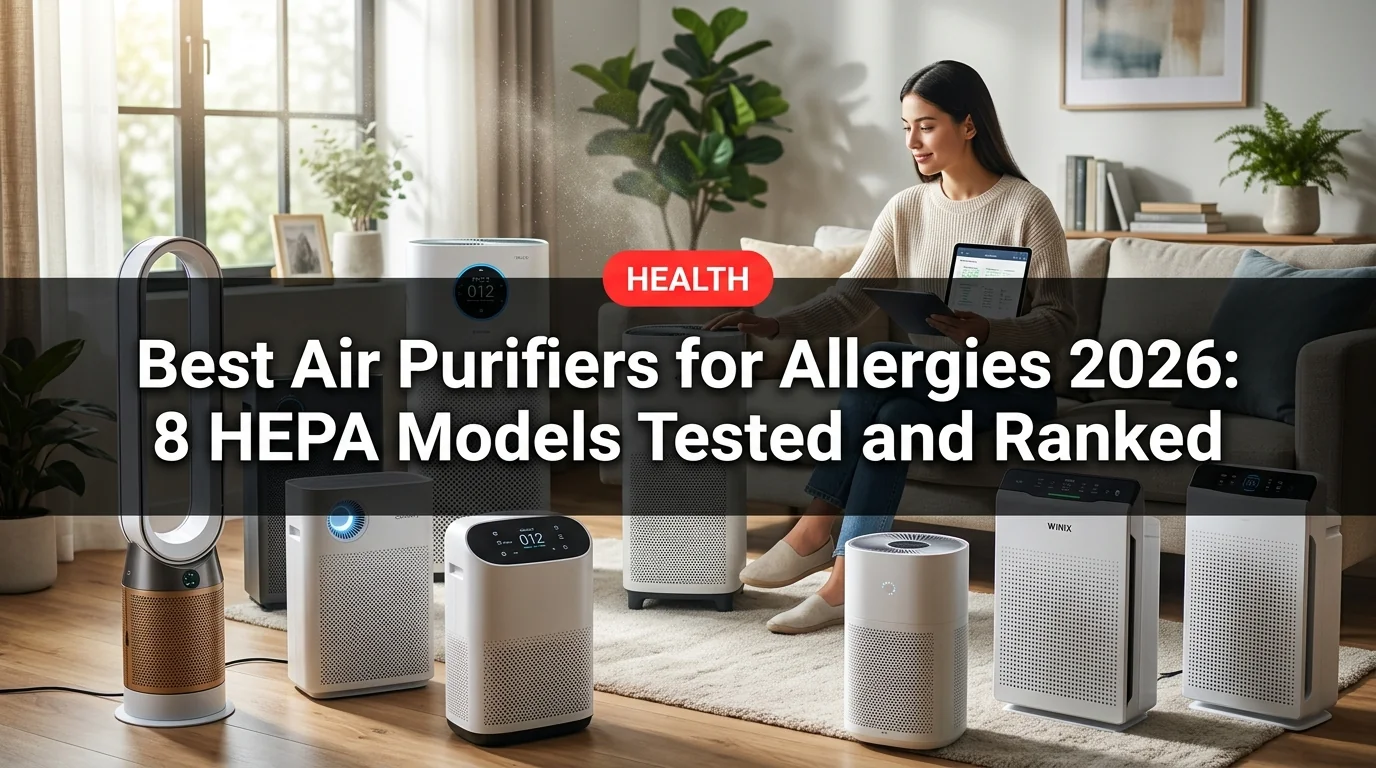
- HEPA filter your home — Place in bedroom first; run 24/7 during allergy season
- Change clothes after outdoor time — Especially after yard work, parks, or running
- Wear sunglasses outside — Wrap-around frames block airborne pollen from eyes
- Rinse nasal passages — Saline rinse removes allergens directly from nasal membranes
- Wash pet after outdoor time — Dogs carry pollen into the home on fur
- Dry clothes inside — Hanging laundry outside deposits pollen directly on fabric
New Allergy Treatments Coming in 2026
For severe sufferers who can't get relief from OTC medications:
- OMLYCLO — A biosimilar version of omalizumab (Xolair), now available at lower cost. Targets IgE, the immune protein driving allergic reactions. For severe allergy/asthma overlap.
- Intralymphatic immunotherapy (ILIT) — Allergen injections delivered directly to lymph nodes. Faster immune tolerance than traditional shots (3 injections vs. years of weekly shots).
- SONU Band — A wearable device using low-frequency acoustic waves to promote sinus drainage. Drug-free option for congestion relief.
- Single-dose antibody therapies — In late-stage trials targeting specific allergens (birch pollen, cat dander). Could offer season-long relief from one injection.
When to See an Allergist
Bottom Line
Spring 2026 is not the year to wing it. Tree pollen is already surging, the worst cities span every region of the country, and the season will run through June at minimum. The good news: a $8 bottle of generic fluticasone spray plus $10 cetirizine tablets from the drug store is 80% of what you need — if you start now, before symptoms get out of hand.
If that stack doesn't cut it, see an allergist. Immunotherapy is the only treatment that addresses the root cause, not just the symptoms.