
Netflix remains the world's most recognized streaming brand, but with another price increase in late 2025 and a crowded market of competitors, the question "Is Netflix actually worth it?" is being asked more than ever. We tested every plan, ran the numbers, and gave you a straight answer based on how you actually watch.
Netflix Plans and Pricing in 2026
Netflix currently offers three main tiers in the US:
| Plan | Price/Month | Max Streams | Resolution | Downloads |
|---|---|---|---|---|
| Standard with Ads | $7.99 | 2 | 1080p | Limited |
| Standard | $15.49 | 2 | 1080p | Yes |
| Premium | $22.99 | 4 | 4K UHD + HDR | Yes |
The ad-supported tier has improved significantly — ads now run at around 4-5 minutes per hour, down from the original rollout. For casual viewers, it's genuinely usable. The Premium tier now includes two extra member slots (add-on accounts at $7.99/month each), making it cost-effective for households.
What You Actually Get
Netflix's library in 2026 sits at roughly 5,000+ titles in the US, though the mix matters. Here's the honest breakdown:
- 700+ Netflix Original films and series — the core value proposition
- Licensed content continues to shrink as studios pull titles for their own platforms
- Netflix now produces content in 50+ countries, giving it the deepest international library
- Games library has grown to 100+ mobile titles (included with all plans)
- Live events (including select sports and stand-up specials) available on Premium
The library rotation is real. Popular licensed shows do leave. If you're subscribing specifically to rewatch The Office or Friends, those are no longer on Netflix — they've moved to Peacock and Max respectively.
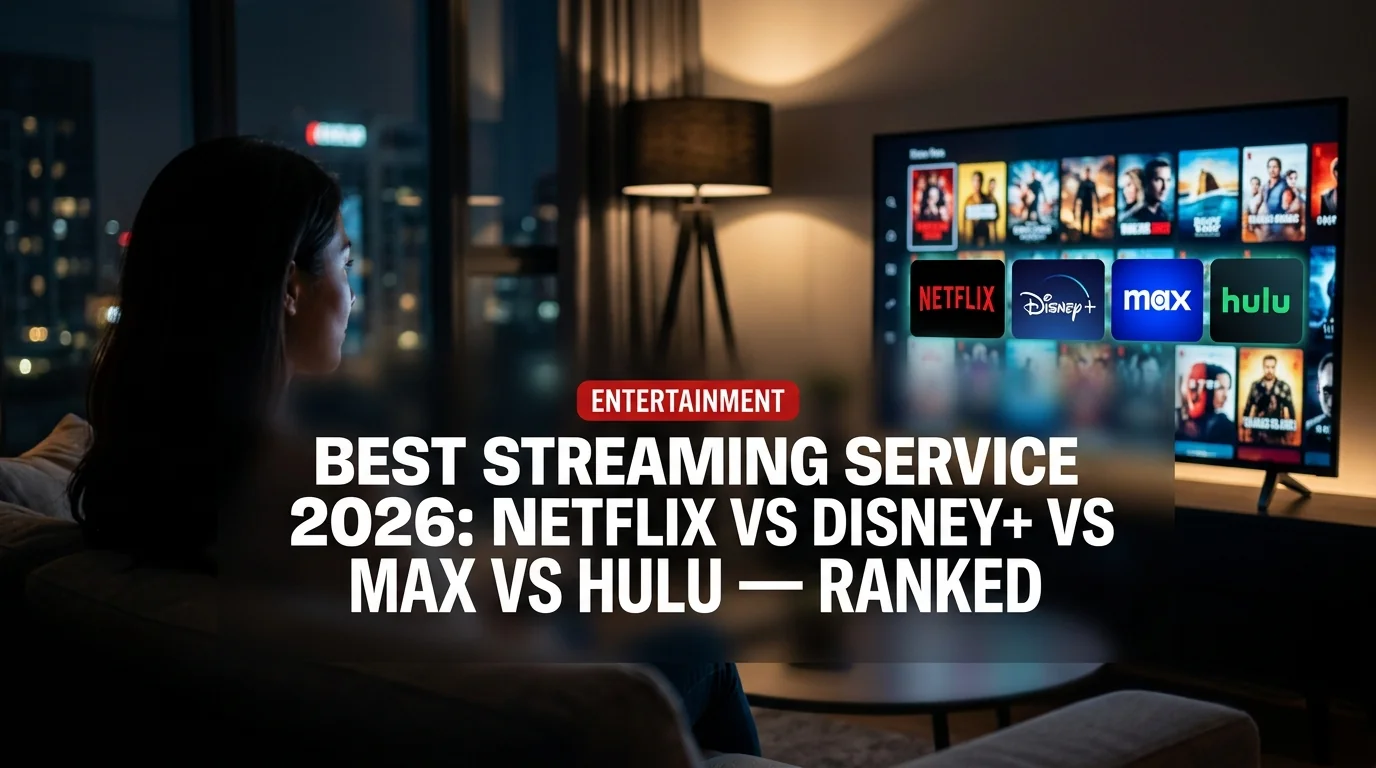
Netflix vs. The Competition
Here's how Netflix stacks up against its main rivals in 2026:
- Strongest original series catalog
- Best international content selection
- No live sports (except occasional events)
- Most expensive at the top tier
- Marvel, Star Wars, Pixar — unbeatable franchises
- Hulu adds live TV option and adult content
- ESPN+ covers major sports leagues
- Less compelling outside Disney-owned IP
Max (formerly HBO Max) sits at $9.99/month with ads or $15.99 without. For prestige TV fans — think The Last of Us, Succession, The White Lotus — Max may actually be the better choice. Its per-title quality is arguably higher than Netflix, even if the volume is lower.
Hulu at $7.99/month (with ads) or $17.99 (without) offers next-day episodes for current broadcast TV, making it the best choice for people who watch network TV shows.
The Password Sharing Era Is Over
This is worth calling out explicitly: Netflix's paid sharing enforcement is now mature and effective. If you're not the account holder, you need your own subscription or to be added as an extra member ($7.99/month on Standard/Premium). The workarounds that existed in 2023–2024 are largely closed.
This changes the math for many users. A household that shared one Premium account with extended family now needs to factor in separate subscriptions.
How to Decide: A Plan for Every Type of Watcher
- Best original content library — Stranger Things, Wednesday, Squid Game, Bridgerton
- Consistent UI across all devices
- Offline downloads on Standard and Premium
- International originals are genuinely excellent (Korean, Spanish, Indian content)
- Regular release cadence keeps content fresh
- Most expensive premium tier of any major streamer
- Licensed content continues to disappear
- No live sports (beyond rare events)
- Ad tier has download restrictions
- Account sharing crackdown removed a major value driver
Who Should Subscribe to Netflix in 2026
Here's the honest verdict by viewer type:
Standard with Ads ($7.99) — Best for: Light viewers, budget-conscious households, people who want to catch up on one specific show. The ads are tolerable if you're not binging for hours.
Standard ($15.49) — Best for: Regular viewers who watch 5-10 hours per week and can't stand ads. Solid value if you're watching 2-3 new Netflix originals per month.
Premium ($22.99) — Best for: Households of 2-4 where everyone watches regularly, especially if you have a 4K TV. Split across two people, it's $11.50 each — the best per-person value on the platform.
The Rotation Strategy
One of the most cost-effective approaches in 2026 is streaming rotation: subscribe to Netflix for 1-2 months, cancel, then move to Max, Disney+, or Hulu. Each service drops major titles throughout the year, and there's rarely a reason to have all four running simultaneously.
Netflix makes this easy — cancellation takes 30 seconds, there's no penalty, and your watch history is saved if you return within 10 months.
Final Verdict
Netflix at $7.99/month (ad tier) is a no-brainer if you have any interest in streaming. Netflix at $22.99/month is excellent value for a household — but mediocre value for a single person who also subscribes to two other services.
If you're cutting subscriptions, Netflix should usually be the last to go — its original content pipeline is unmatched and there's almost always something worth watching. But if you're adding subscriptions, be intentional: Max or Disney+ may serve you better depending on your taste.
The streaming wars are mature now. There's no single "best" service — there's only the best service for how you watch.