Hollywood is staring down its biggest labor crisis since 2023 — and this time, the enemy isn't a streaming platform. It's a synthetic actress named Tilly Norwood.
Three major guilds are hurtling toward contract expirations with no deal in sight. If negotiations collapse by June 30, the industry faces something unprecedented: a triple-guild strike that could freeze production on every major film and TV show through 2028.
The Spark: An AI "Actress" With No Pulse
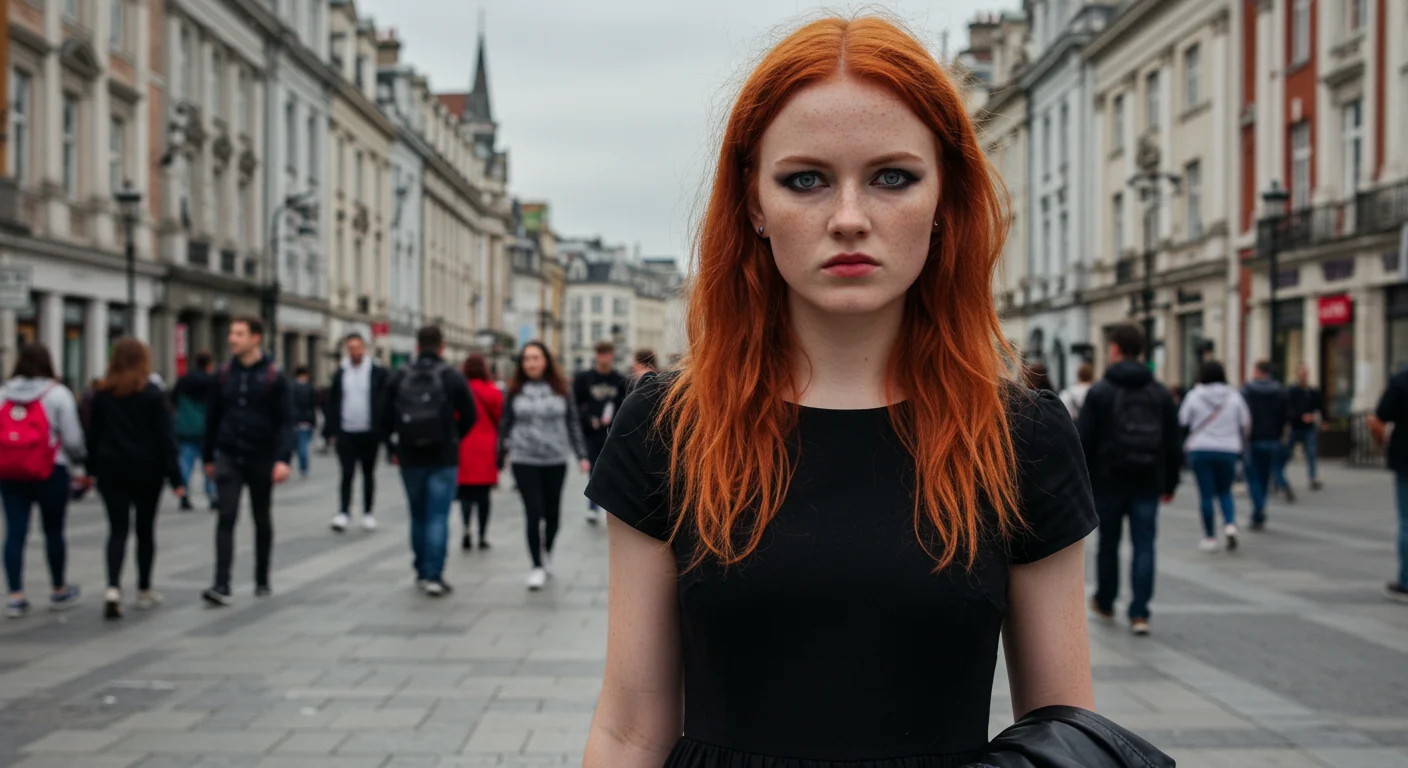
In September 2025, Dutch producer Eline Van der Velden unveiled Tilly Norwood at the Zurich Film Festival — the world's first AI-generated performer designed for lead roles. Not a deepfake of a real person. Not a CGI character. A fully synthetic "actress" trained on the performances of thousands of real humans.
SAG-AFTRA's response was immediate and furious. But what turned outrage into an existential crisis was the math: Particle6, the studio behind Tilly, claims synthetic performers can cut production costs by up to 90%.
For an industry already addicted to cost-cutting, that number is a loaded gun.
The Contract Deadlines
Three clocks are ticking simultaneously, and they're all about to hit zero.
The Writers Guild isn't waiting around. Membership voted 97% in favor of their demand pattern — the strongest mandate in WGA history. Legal experts say the WGA has "the least to lose" and is the most likely to walk out first.
The Money War: What Each Side Wants
At the center of the fight is a proposal called the "Tilly Tax" — SAG-AFTRA's attempt to make synthetic performers economically unviable.
- "Tilly Tax": AI performer daily rate must equal SAG minimum (~$1,158/day) plus a percentage of budget
- Lifetime rights for actors' digital likenesses
- Transparent data on AI training sets
- "Digital shields" protecting created characters from AI replication
- Flexibility to use AI for VFX and production cost reduction
- No blanket ban on synthetic performers
- Federal AI framework should override state protections
- Studios need AI to compete with independent creators
The financial stakes are staggering on both sides.
The Legal Battlefield
This isn't just a labor dispute anymore — it's a constitutional fight over who owns the human likeness.
California passed AB 2602 to protect actors' digital likenesses at the state level. But on December 11, 2025, President Trump signed an executive order creating a federal AI policy framework. On January 9, 2026, the DOJ launched an AI Litigation Task Force with one clear mission: challenge state laws that "burden" AI innovation.
Governor Gavin Newsom has publicly vowed to defend the state law, setting up a direct federal-state legal collision that could drag through courts for years.
The Human Cost
Behind the legal jargon and billion-dollar figures, real careers hang in the balance.
Sean Astin, now SAG-AFTRA president, put it bluntly: synthetic AI "manipulates something that already exists... it is taking something that doesn't belong to them." Background actors, stunt performers, and voice artists face the most immediate threat — the exact roles where AI replacement is cheapest and easiest.
What Gets Delayed If They Walk
A triple-guild strike wouldn't just pause production — it would crater Hollywood's release calendar through 2028. Major tentpoles already at risk include:
| Project | Studio | Status | Risk Level |
|---|---|---|---|
| Avengers: Doomsday | Disney/Marvel | Pre-production | Critical |
| The Batman II | Warner Bros. | Pre-production | Critical |
| Stranger Things (Finale) | Netflix | Post-production | High |
| Multiple untitled 2027 tentpoles | Various | Development | Critical |
Netflix's The Eternaut, which debuted in July 2025 showcasing AI-generated VFX, proved the technology works at scale. That proof of concept is exactly what terrifies the unions — and emboldens the studios.
What Happens Next
Negotiations are currently under a media blackout as both sides attempt extended seven-day bargaining windows. The WGA's May 1 deadline arrives first, and with 97% membership support, a writers' walkout could trigger solidarity actions across all three guilds.
- Three guild contracts expire between May and June 2026
- The WGA is most likely to strike first (May 1 deadline)
- The "Tilly Tax" is the central battleground proposal
- DOJ is simultaneously trying to dismantle state AI protections
- A triple-guild strike would be the first since 1960
The 2023 strikes lasted 148 days and cost the California economy an estimated $6.5 billion. If 2026 escalates to a triple-guild walkout, the damage could dwarf that figure — and reshape the relationship between human creativity and artificial intelligence for a generation.
One thing is certain: Tilly Norwood doesn't need a paycheck. But the 160,000 humans she was trained on do.