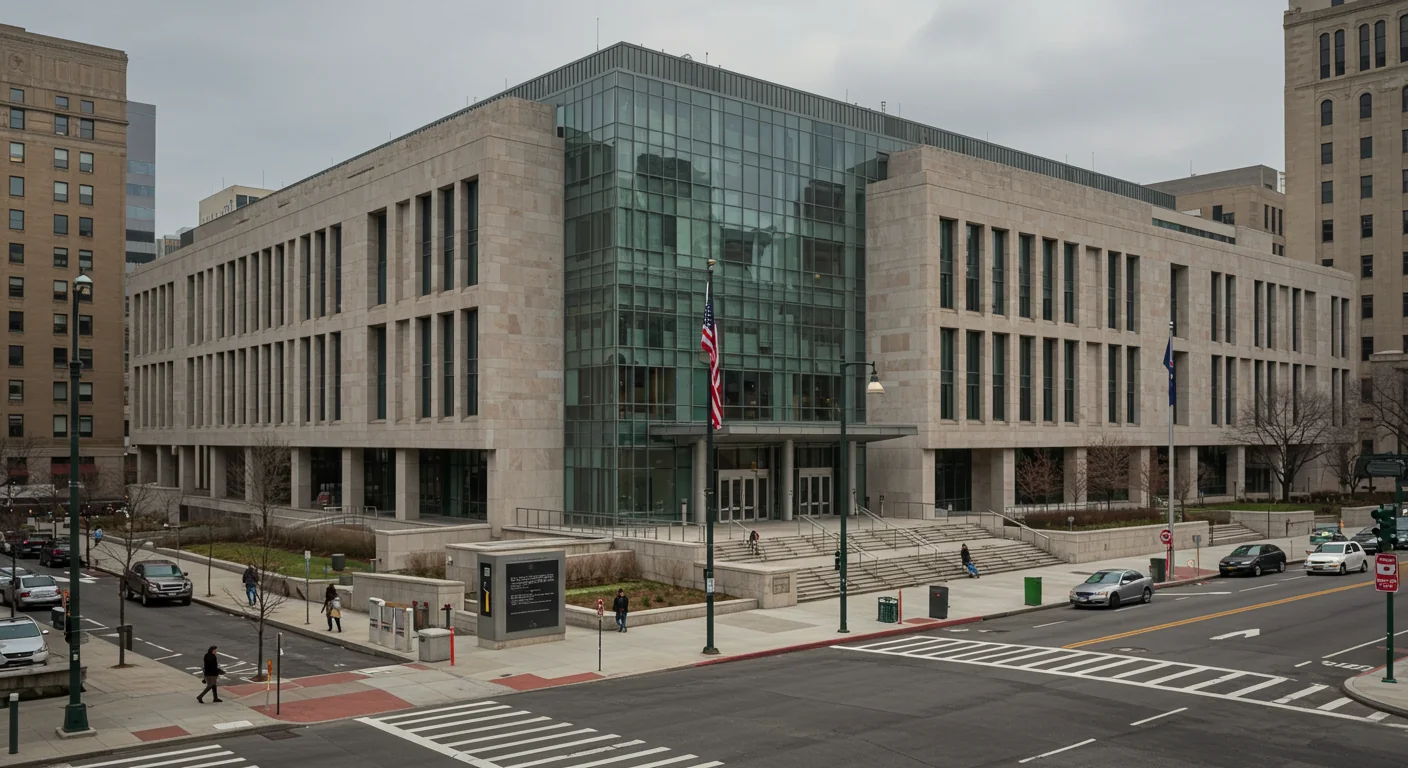
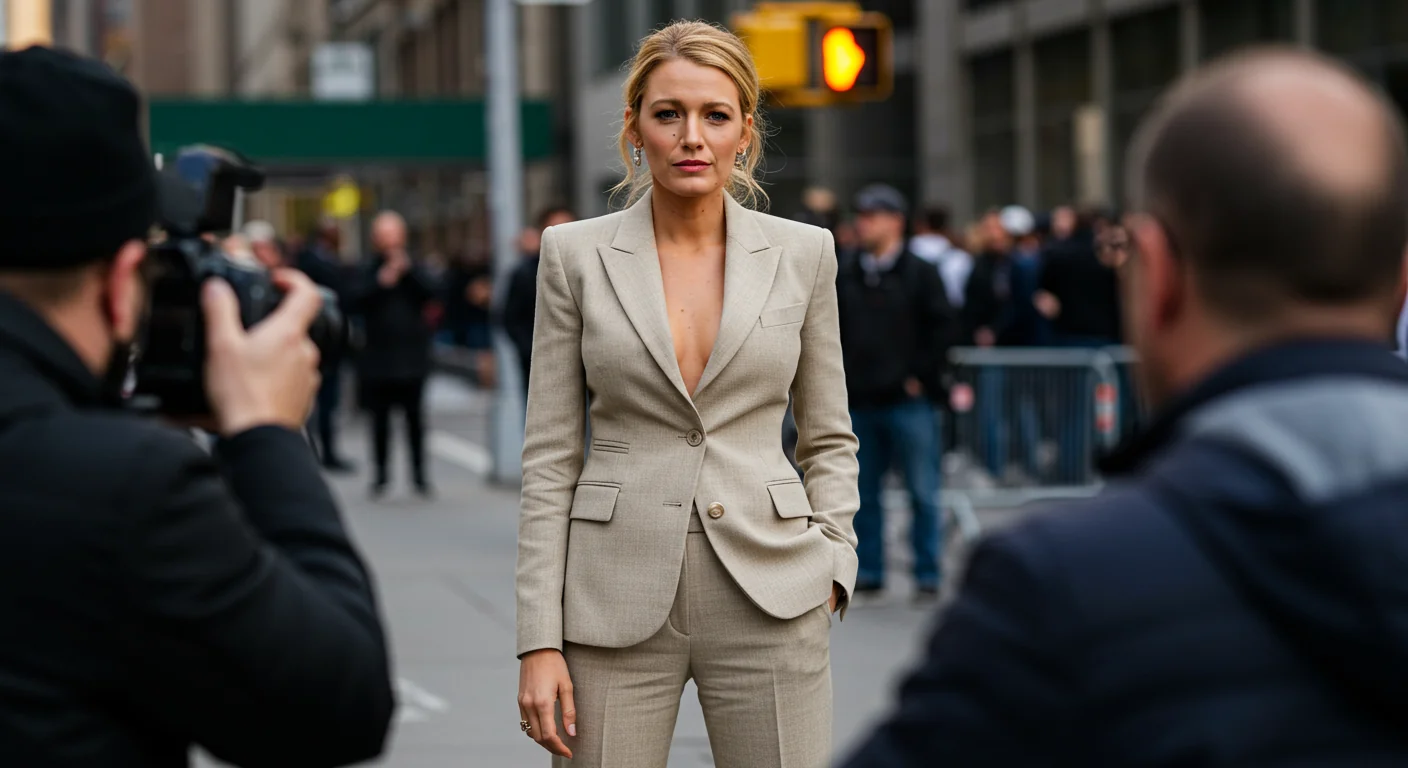
A federal judge has dramatically narrowed Blake Lively's high-profile sexual harassment lawsuit against It Ends With Us director Justin Baldoni, dismissing 10 of 13 claims in a ruling that reshapes one of Hollywood's most closely watched legal battles.
The ruling, handed down Thursday, leaves the case significantly smaller in scope but far from over. Three claims survived — and those that remain could still expose Baldoni to significant legal and reputational risk.
What the Case Is About
Lively filed her lawsuit in late 2024, alleging that Baldoni sexually harassed her on the set of It Ends With Us — the blockbuster adaptation of Colleen Hoover's bestselling novel — and then orchestrated a sophisticated PR smear campaign to damage her reputation after she complained.
The lawsuit accused Baldoni, his publicist Jennifer Abel, and crisis PR manager Melissa Nathan of coordinating a media operation to turn public opinion against Lively. Text messages obtained as evidence showed what Lively's lawyers described as a deliberate effort to plant negative stories and suppress her allegations.
Baldoni denied all wrongdoing and filed a sweeping $400 million countersuit against Lively, her husband Ryan Reynolds, and their legal team, accusing them of defamation, civil extortion, and orchestrating a media campaign of their own.
What Was Dismissed
The judge dismissed the majority of Lively's claims, including several related to the alleged PR smear campaign. The court found that some of those allegations did not meet the legal threshold required to survive a motion to dismiss — meaning Lively's lawyers did not plead enough specific facts to support those particular counts.
Dismissed claims are believed to include several counts tied to the coordinated PR operation, certain retaliation claims, and allegations against third-party PR figures. However, the court indicated that some dismissed claims may be refiled with more specific factual support.
- Lively filed her lawsuit in December 2024 alleging on-set sexual harassment
- Baldoni filed a $400M countersuit against Lively, Ryan Reynolds, and their team
- The film It Ends With Us grossed over $350 million worldwide in 2024
- Text messages released publicly showed PR coordination discussion between Baldoni's team
- Judge dismissed 10 of 13 claims; 3 remain active
What Survives — and Why It Matters
Three claims made it through the ruling, including what legal analysts believe are the core sexual harassment allegations at the heart of the case. These surviving claims carry the most reputational weight and the most potential for damages.
For Lively, keeping sexual harassment claims alive means the case can still go to discovery — a phase where both sides exchange documents, communications, and depose witnesses under oath. That process often produces the most damaging revelations in Hollywood legal battles.
For Baldoni, the surviving claims mean the reputational cloud remains, and the case could still go to trial.
The Bigger Picture: A Hollywood Culture Reckoning
The Lively-Baldoni case became far more than a celebrity dispute when the New York Times published a lengthy exposé in December 2024 based on documents from Lively's legal team. Those documents — including detailed text exchanges — portrayed Baldoni's publicists discussing strategies to damage Lively and shape press narratives.
The story triggered a wave of public discussion about power dynamics on film sets, how PR firms operate in Hollywood, and whether #MeToo-era protections have been eroded.
It Ends With Us was already controversial during its promotional rollout, with Lively and Baldoni reportedly at odds over the film's tone and marketing. The movie's domestic violence themes clashed with what critics called a celebratory promotional campaign — a disconnect the cast and director publicly disagreed over.
What Happens Next
With three claims still active, the case moves into the discovery phase. Both sides will have the opportunity to depose witnesses — potentially including Ryan Reynolds, Lively's publicist Leslie Sloane, and members of Baldoni's PR team.
Baldoni's countersuit against Lively remains active as well, creating a complex dual legal battle that neither side appears ready to settle.
Legal experts note that cases of this type — where core harassment claims survive dismissal — frequently lead to settlements before trial, as the prospect of sworn depositions in a high-profile case creates pressure on both sides. However, given the scale of counterclaims and the public stakes involved, neither Lively nor Baldoni has signaled any interest in early resolution.
Public and Industry Reaction
Reaction to the ruling has been split along lines that largely mirror how the public has viewed the broader dispute. Supporters of Lively noted that the surviving claims represent the most serious allegations and that no ruling on the merits of those claims has been made — only on pleading requirements.
Baldoni's backers pointed to the dismissal of 10 claims as vindication, arguing the case was always overly broad and designed for public consumption rather than legal success.
Hollywood observers have noted that the case has had lasting effects regardless of its outcome — with at least two major studios reportedly updating their on-set harassment protocols and PR engagement rules in the wake of the Lively-Baldoni filings.
The next significant milestone will be a scheduling conference to set discovery deadlines. Given the complexity of the case and the volume of communications evidence, legal analysts expect that process to extend through late 2026 or into 2027.