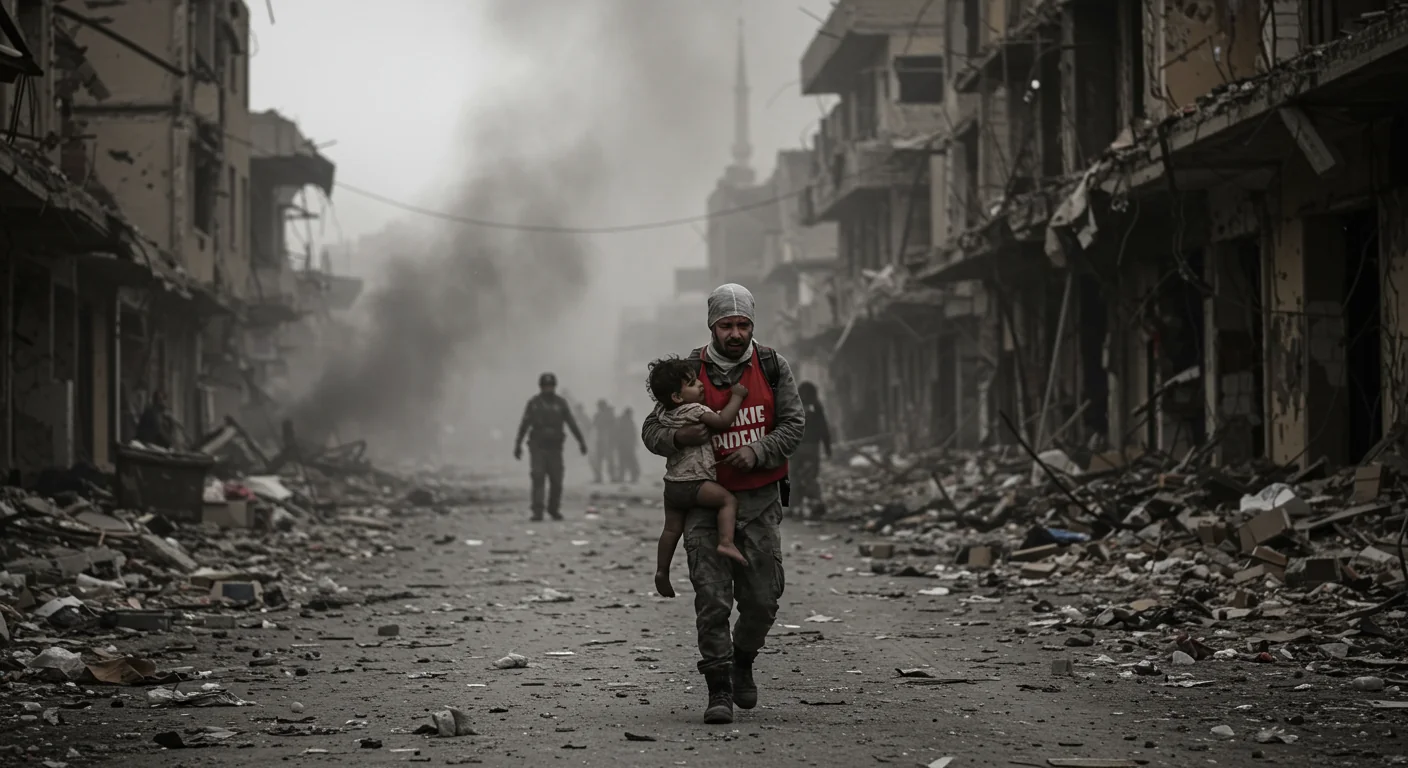
A drone strike in Goma killed three people on March 11, including a UNICEF staff member, marking the deadliest single attack on humanitarian workers since the M23 rebel offensive captured the city fourteen months ago. The strike came just nine days after the US Treasury imposed sanctions on four senior Rwandan military commanders over their support for the militia group.
The escalation threatens to unravel a fragile diplomatic architecture built over a year of shuttle diplomacy. Seven million people are now displaced inside the Democratic Republic of the Congo, the highest figure ever recorded in the country.
Background
The roots of the conflict run back three decades. After the 1994 Rwandan genocide, Hutu militias fled into eastern Congo. Rwanda has since justified repeated incursions into DRC territory as security operations against those forces. International observers, however, point to the DRC's estimated $24 trillion in untapped mineral wealth as the primary driver of what has become a proxy war.
The M23 movement launched a lightning offensive in January 2025, seizing Goma and Bukavu in a matter of days. Goma, a lakeside city of two million, became the epicenter of what analysts now call the worst security crisis in the Great Lakes region since the turn of the century.
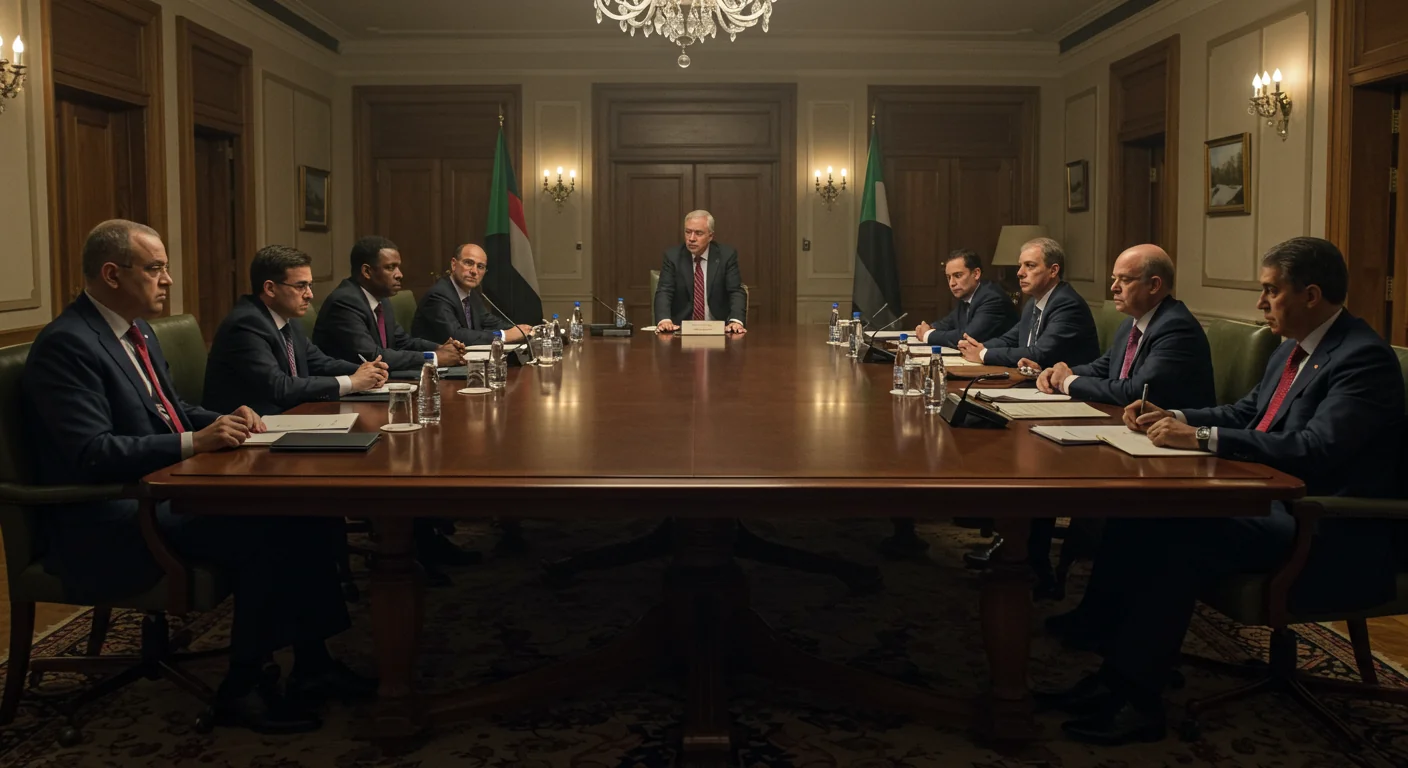
Since then, diplomacy has moved in fits and starts. A peace agreement signed in Washington in June 2025 was followed by a ceasefire framework negotiated in Doha in November. On December 4, 2025, Presidents Donald Trump, Felix Tshisekedi, and Paul Kagame signed the Washington Accords for Peace and Prosperity. Three days later, M23 captured the border town of Uvira, violating the agreement before the ink was dry.
Key Details
The US sanctions announced on March 2 targeted four of Rwanda's most senior military figures: Gen. Mubarakh Muganga, the Chief of Defence Staff; Lt. Gen. Vincent Nyakarundi, Army Chief of Staff; Maj. Gen. Ruki Karusisi, commander of the 5th Infantry Division; and Special Operations Force Commander Stanislas Gashugi.
Washington's message was blunt. An anonymous US official said the action "was intended to reinforce commitments" and warned that "the continued presence of M23 near Burundi's border carries the risk of a broader regional war."
Rwanda maintains it is not directing M23 operations. President Kagame has framed his country's military posture as defensive, aimed at the FDLR, a Hutu militia he says the Congolese army actively supports. But UN estimates tell a different story: between 4,000 and 7,000 Rwandan soldiers are operating alongside M23 inside DRC territory.
The financial stakes are staggering. M23 generated an estimated $800 million from illegal coltan mining between April and December 2024 alone, according to UN figures. Coltan is essential for manufacturing smartphones and electric vehicle batteries.
President Tshisekedi has accused Rwanda of "systematic looting" and "unprecedented aggression." His government has turned to a mix of community militias known as Wazalendo and European mercenaries to hold territory the national army cannot.
Impact
The humanitarian toll defies easy summary. UNICEF has launched a $34 million appeal for 2026 to support 2.5 million people across the Great Lakes region. Over 2,900 soldiers and police were killed or wounded during the Goma offensive alone.
Burundi has closed its border with Rwanda, citing intelligence of a planned attack from Kigali. The country faces elections amid fears the conflict will spill across its frontier.
The killing of the UNICEF worker in the March 11 drone strike has drawn particular condemnation. Aid agencies operating in eastern Congo were already stretched thin. MONUSCO, the UN peacekeeping mission, is in the process of withdrawing after its mandate expired in December 2025.
Critics of the Washington Accords argue the deal was never really about peace. The International Crisis Group has warned it amounts to a "peace-for-minerals" bargain that prioritizes commodity supply chains over humanitarian justice. A US-backed consortium called Orion Critical Minerals is positioned to secure access to DRC cobalt and copper deposits, with proposed stake transfers from mining giant Glencore to American-backed entities.
What's Next
A new agreement announced on March 18, the Washington De-escalation Framework, calls for a "scheduled disengagement" of Rwandan forces from specific areas of eastern Congo. Whether this holds where previous agreements have not remains the central question.
The Regional Economic Integration Framework is expected to facilitate the first shipments of "conflict-free" minerals to US markets by mid-2026, provided the ceasefire survives. The M23 spokesperson, Willy Ngoma, was reportedly killed in a drone strike on February 24. It is unclear who now speaks for the group or whether his death will change its calculus.
For the seven million Congolese displaced from their homes, the diplomatic maneuvering in Washington and Doha remains distant. What matters is whether the guns go quiet. So far, they have not.