Arctic Sovereignty Crisis Deepens as Canada, Russia and US Stake Claims
Arctic sovereignty disputes intensify as Canada pledges $35 billion for defense, Russia expands seabed claims, and the US pushes to acquire Greenland.
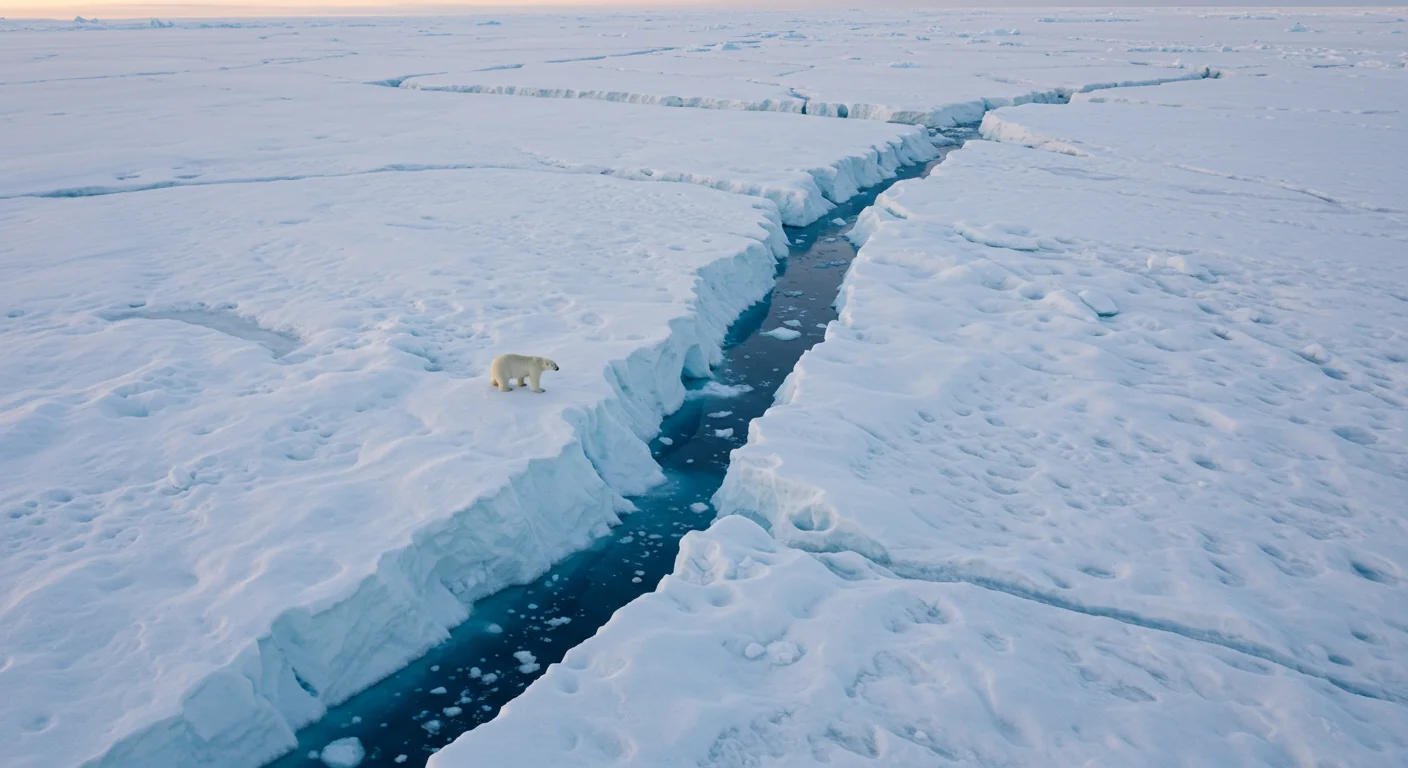
Canada committed $35 billion over ten years to Arctic defense and infrastructure on March 12, marking the most aggressive northern investment in the country's history. The announcement by Prime Minister Mark Carney came as Russia pressed territorial claims at the United Nations and the United States renewed pressure to acquire Greenland, turning the melting Arctic into the world's most contested frontier.
The three moves, occurring within days of each other, signal a new phase in the struggle over a region that holds an estimated 22 percent of the world's undiscovered oil and gas reserves. As warming temperatures open shipping routes and expose mineral deposits, the diplomatic architecture meant to manage Arctic affairs is straining under the weight of rival ambitions.
Background
The Arctic's governance has long relied on two pillars: the UN Convention on the Law of the Sea, which governs territorial claims, and the Arctic Council, the intergovernmental forum of eight northern states. Both were designed for a frozen, largely inaccessible region. Neither anticipated the speed at which the ice would retreat.
The Arctic is warming at twice the global average. The Northern Sea Route, once impassable for most of the year, now supports growing commercial traffic. China, which calls itself a "near-Arctic state," has expanded its polar expeditions. NATO conducted Exercise Cold Response 2026 from March 9 to 19, deploying 25,000 troops across Norway and Finland in its largest Arctic drill in years.
On January 17, the UN High Seas Treaty entered into force after reaching its 60-country ratification threshold. The agreement covers roughly two-thirds of the world's oceans, including High Arctic waters beyond national jurisdiction. It enables the creation of Marine Protected Areas in international waters for the first time, but its enforcement mechanisms remain untested.
Key Details
Carney's plan, dubbed the Arctic Economic and Security Corridor, allocates $2.67 billion specifically for Northern Operational Support Hubs in Whitehorse and Resolute. Speaking in Yellowknife, the prime minister said Canada would "no longer rely on others to defend our Arctic security."
Two days later, Norway and Canada signed a strategic cooperation agreement covering space surveillance and mineral security. The pact, signed March 14 by Canadian Defence Minister David McGuinty and Norwegian counterpart Tore O. Sandvik, reflects growing coordination among middle powers wary of being squeezed between Washington, Moscow, and Beijing.
At the United Nations, the Commission on the Limits of the Continental Shelf concluded its 66th session on March 13 after reviewing Russia's revised submission for the Gakkel Ridge. If accepted, the claim would grant Moscow exclusive rights to an additional 1.2 million square kilometers of Arctic seabed, roughly the size of South Africa. A formal recommendation is expected by late 2026.
Meanwhile, President Trump continued to press his case for acquiring Greenland, citing its reserves of graphite, zinc, copper, and rare earth elements. Critical Metals Corp, a U.S. company, began construction of a pilot rare earth extraction plant on the island in February. A poll the same month showed 76 percent of Greenlanders oppose American control.
"Our land and communities are not pieces on a great-power chessboard," said Malene Vahl Rasmussen, a mayor in southern Greenland.
France moved independently, signing a technical cooperation agreement with Greenland on March 16 for geological mapping of mineral deposits, adding another player to the resource competition.
Impact
The simultaneous escalation by three major powers threatens to overwhelm the Arctic Council, which operates by consensus and has struggled since Russia's 2022 diplomatic isolation following its invasion of Ukraine. Denmark currently chairs the body, steering it toward marine conservation themes under the banner of "Healthy Humans and Oceans." But the council has no mechanism to adjudicate territorial disputes or enforce resource-sharing agreements.
Indigenous communities face the sharpest consequences. The Inuvialuit Regional Corporation, a signatory to the 2023 Western Arctic-Tariuq Accord that established shared petroleum management in the Beaufort Sea, has watched outside powers negotiate over lands its members have inhabited for millennia. The tension between resource development and Indigenous sovereignty remains unresolved in nearly every Arctic jurisdiction.
For NATO, the Arctic represents a growing operational challenge. General Alexus Grynkewich warned that China's 2025 wave of Arctic expeditions was not scientific in nature. The UK-led Exercise Lion Protector, planned for September, will expand the Joint Expeditionary Force's presence in the High North.
The financial stakes are substantial. Canada's $35 billion bet dwarfs previous Arctic commitments by any single nation. Greenland's mineral wealth has attracted interest from the U.S., France, and the European Union. Seafood trade between the UK and Greenland alone is valued at roughly $90 million, with tariff negotiations ongoing.
What's Next
The Arctic Science Summit Week in Akureyri, Iceland, from March 26 to 28, will be the first major multilateral gathering since the High Seas Treaty took effect. Scientists and policymakers will discuss how to implement marine protections in Arctic waters, where the treaty's goal of safeguarding 30 percent of international waters collides with the reality that barely one percent is currently protected.
The UN commission's ruling on Russia's Gakkel Ridge claim, expected later this year, could reshape the legal map of the Arctic seabed. An approval would validate Moscow's strategy of using geological surveys to extend sovereign rights far beyond its coastline.
Canada's Nordic Five partners, including Denmark, Finland, Iceland, Norway, and Sweden, are expected to announce coordinated Arctic investment plans in the coming months. Kenneth Hoegh, chair of the Senior Arctic Officials under the Danish chairship, has signaled that the council's 30th anniversary year must produce concrete governance reforms.
The question is whether diplomacy can keep pace with geology. The ice is not waiting for consensus.
Tags
Sources
- Arctic Council Secretariat, Securing a Resilient Arctic Ocean, March 3, 2026
- UN Division for Ocean Affairs, CLCS Concludes Sixty-Sixth Session, March 16, 2026
- The Arctic Institute, Take Five: Week of March 9, 2026
- Government of Norway, Norway and Canada agree on strategic cooperation, March 14, 2026
- Anadolu Agency, Canadian and Northern Europe leaders shore up defense, March 13, 2026
Related Articles
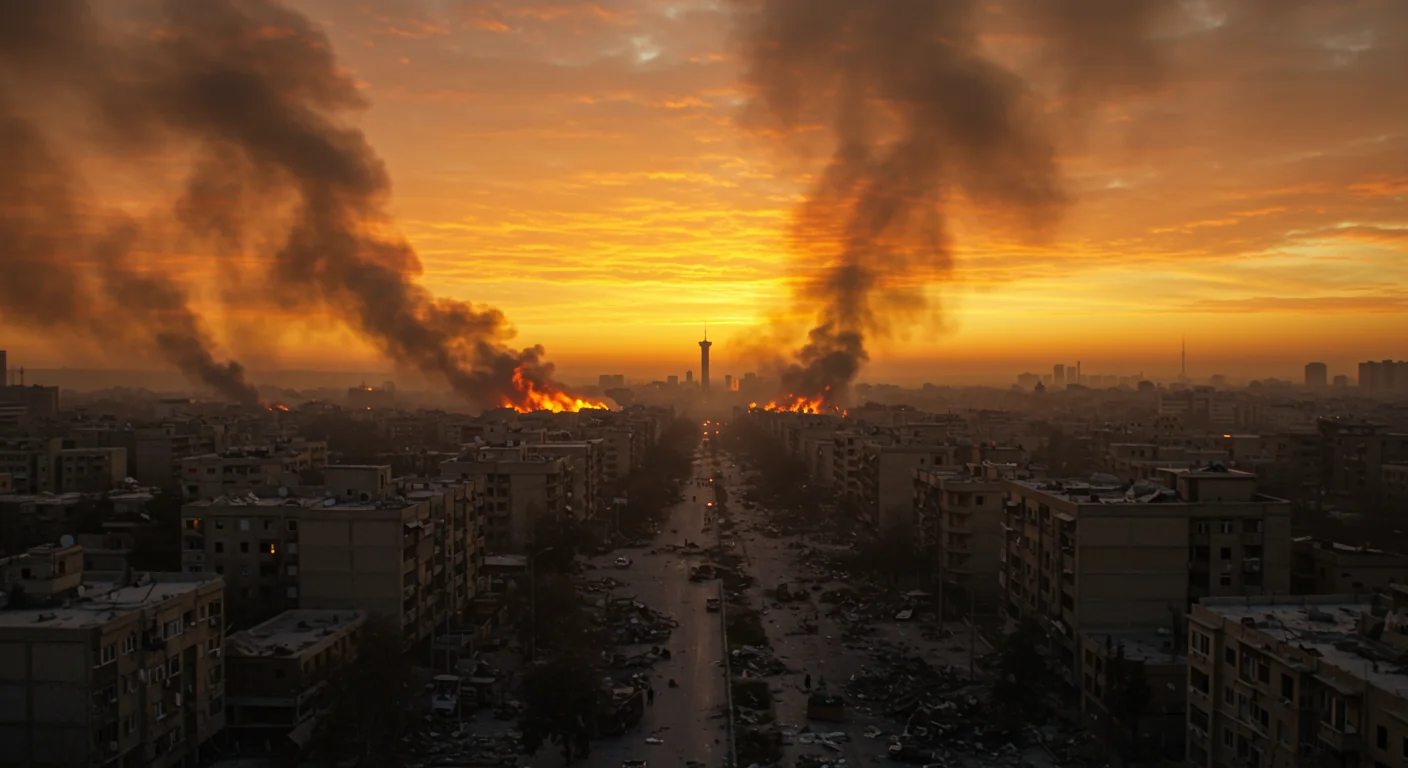
Israel Kills Iran Intelligence Chief Khatib in Tehran Airstrike
Israeli forces assassinated Iran intelligence minister Esmaeil Khatib in a precision Tehran airstrike, the third senior official killed in 24 hours.
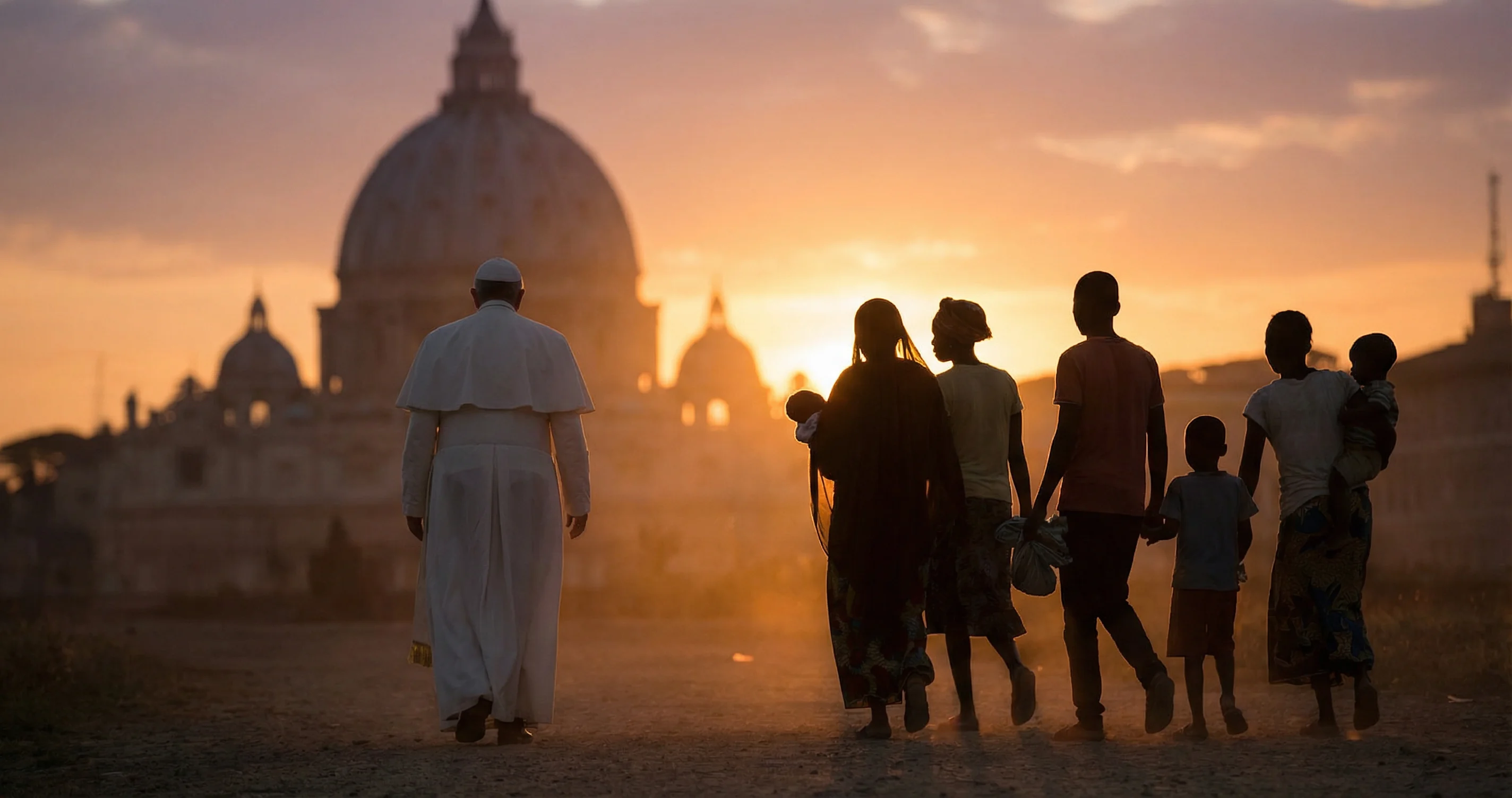
Pope Francis Backs U.S. Bishops on Migrant Dignity Amid Deportation Push
Francis sent U.S. bishops a letter in February 2025 supporting their defense of migrants' rights and warning that immigration enforcement must never undermine human dignity.
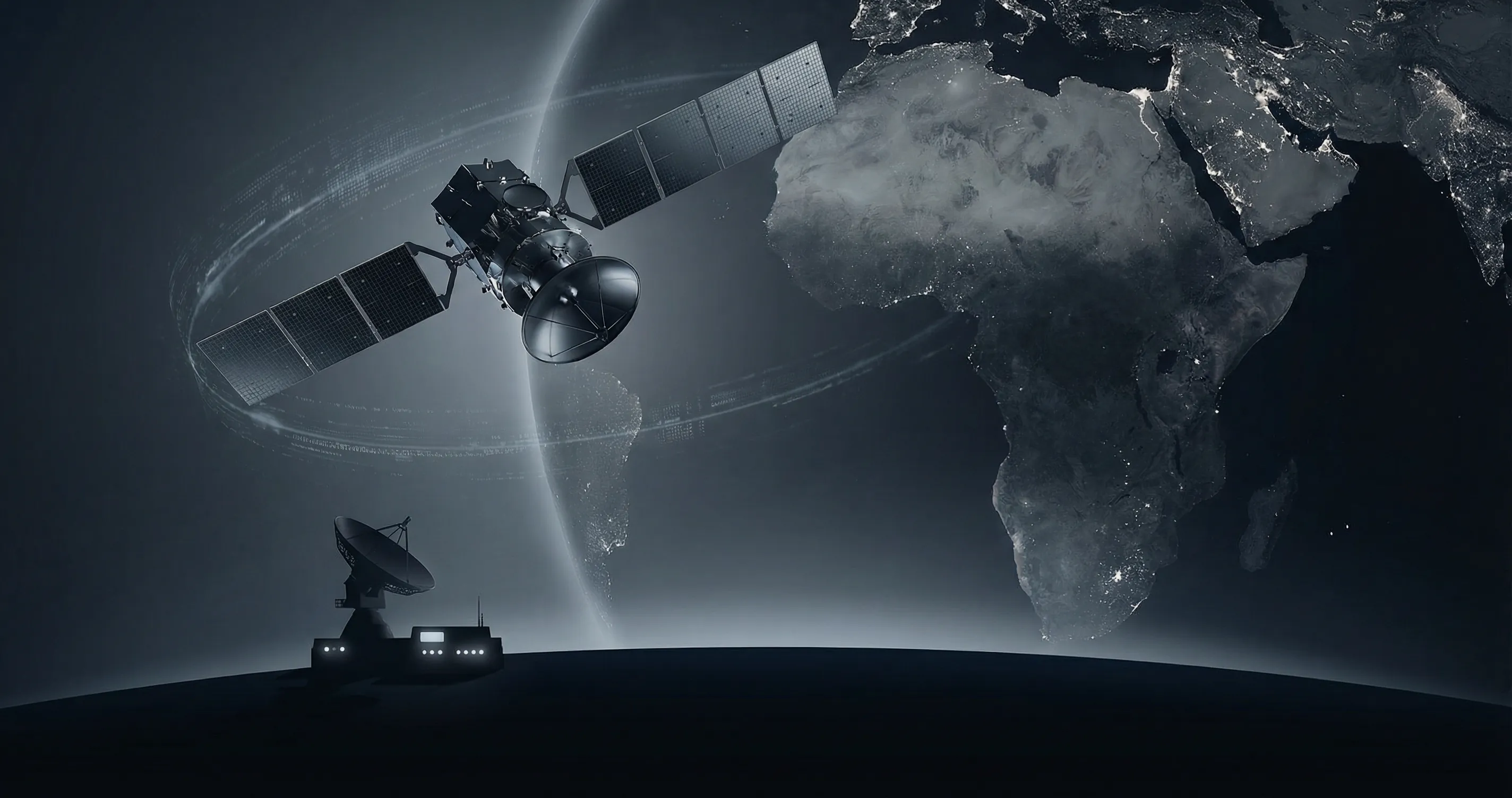
China Builds Space Alliances in Africa With Surveillance Access
Reuters reports Beijing has 23 space partnerships in Africa, retains access to satellite data, and runs Egypt's 'homegrown' satellite facility with Chinese personnel and equipment.