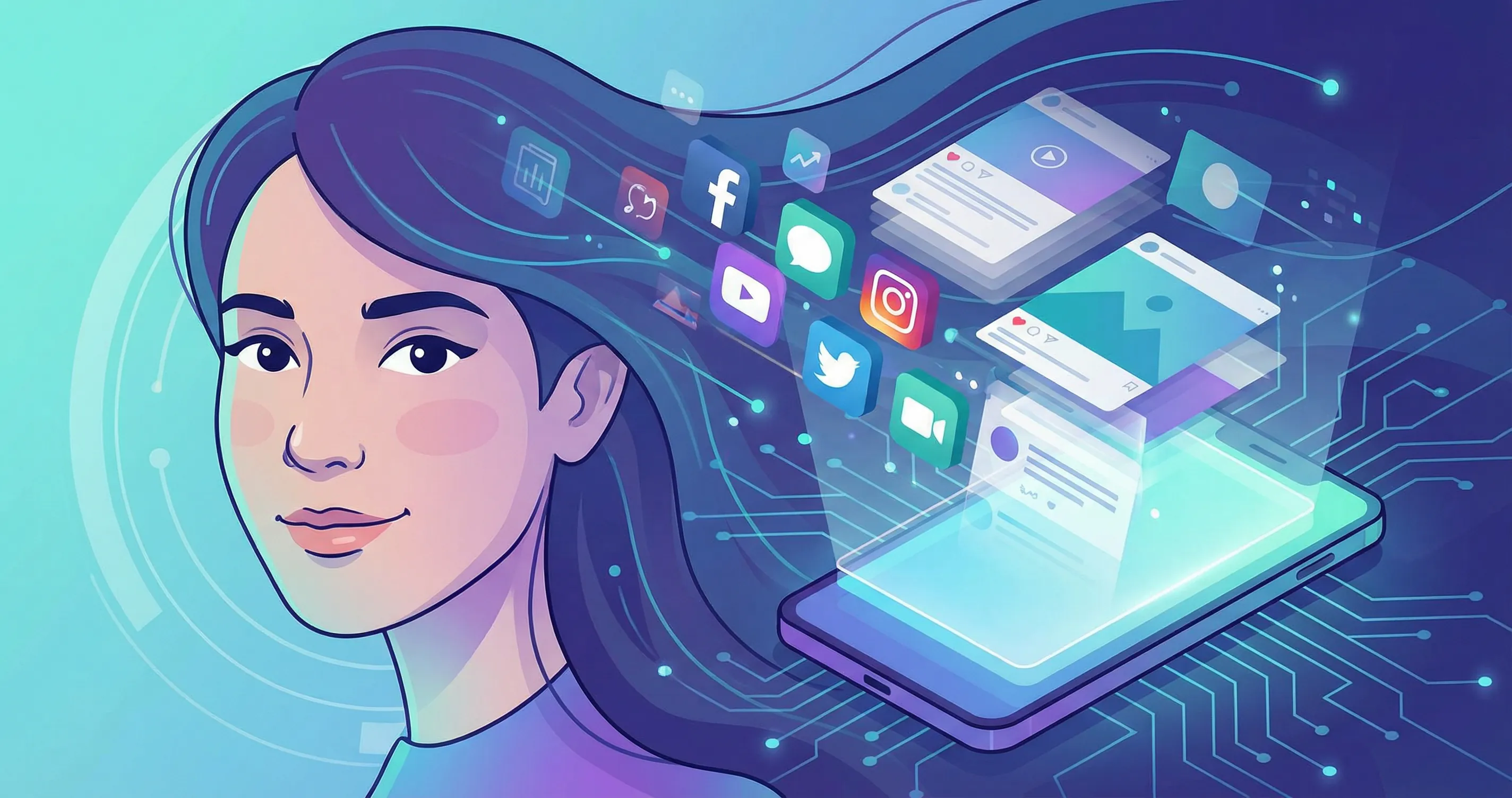
Your feed is full of them by now. Cartoon versions of people you follow, their job titles and tools floating around them like props. The latest ChatGPT trend doesn’t just turn you into a caricature—it wraps your job and your personality into a single, over-the-top portrait. And it’s spreading fast.
Users upload a photo and ask the AI for something like: “Create a caricature of me and my job based on everything you know about me.” What comes back is a cartoonish version of their face, surrounded by whatever the model thinks fits their work and interests. It works best for people with long ChatGPT histories; everyone else can add a few details and still get in on the joke. According to reporting from Fast Company and Mashable, the trend has taken off on TikTok and other platforms, with people comparing results and tweaking prompts.
Where This Fits in the AI Image Craze
This isn’t the first time ChatGPT’s image tools have blown up. When the company rolled out image generation in GPT-4o, users almost immediately started pushing it toward existing art styles. One of the biggest was the Studio Ghibli trend: people turned themselves, their pets, and random memes into images that looked like they’d stepped out of a Hayao Miyazaki film. Spirited Away, My Neighbor Totoro—you name it. The Verge and NBC News reported that the trend spread so quickly that even OpenAI’s CEO, Sam Altman, swapped his profile picture for a Ghibli-style portrait, and the White House got in on it too. At one point, demand was so high that OpenAI had to throttle usage to ease strain on its systems.
So the caricature trend is the next step: same engine, different prompt. Instead of “make it look like Ghibli,” it’s “make it look like me, but as a cartoon, and show my job.” The result is personal, shareable, and just weird enough to get likes.
How It Works and Why It’s Sticky
The draw is simple. You don’t have to describe your whole life—ChatGPT already has a sense of you from past conversations. That’s why the outputs feel oddly specific: inside jokes, job titles, and hobbies get baked into the image. For many users, that feels like a custom filter, not a generic template.
But that same ingredient is what makes some people uneasy. Letting the model use your chat history to generate a public image raises obvious privacy questions. Fast Company has pointed out that the trend leans on the AI “knowing” you—and that knowledge is built from everything you’ve ever said in that thread. Once the image is out there, it’s out there.
Artists and copyright advocates have also pushed back on the earlier Ghibli-style trend. Gizmodo and others have argued that these tools effectively copy the look of animators who spent years developing a style, without permission or compensation. The caricature trend doesn’t copy one studio as directly, but it’s part of the same pattern: AI image tools that remix existing aesthetics and identities into something new.
What Happens Next
For now, the trend is still growing. New prompts and twists will keep popping up—different art styles, different “tell me about my job” angles. The bigger question is how platforms and OpenAI will handle the load and the backlash. Rate limits already showed up once when Ghibli went viral; something similar could happen again if caricatures scale the same way. And as more people think about what they’re feeding into these prompts, the conversation about privacy and consent is only going to get louder.