Akron enters the 2026 NCAA Tournament on a 10-game winning streak, High Point brings 30 victories, and oddsmakers are posting the widest average point spreads in tournament history. The field of 68 that tips off Thursday has earned its nickname: the Chaos Bracket.
The convergence of star injuries, veteran-loaded mid-major rosters, and a record $1.02 billion media rights deal has produced a March Madness unlike any in the tournament's 88-year history. Bettors, broadcasters, and bracket-pool participants all sense the same thing — the usual hierarchy may not hold.
Background
Duke, Arizona, Michigan, and defending champion Florida claimed the four No. 1 seeds when the bracket was revealed on Selection Sunday, March 15. On paper, the top line looked familiar. Beneath it, the seeding told a different story.
North Carolina, projected as a No. 3 seed through most of February, tumbled to a No. 6 after freshman guard Caleb Wilson broke his hand during the ACC Tournament on March 8. Texas Tech, a No. 5 seed in the West Region, lost lead scorer JT Toppin to a torn ACL on February 15. Two programs that expected deep runs now face early elimination without their best players.
Meanwhile, first-time qualifiers Queens University and California Baptist earned automatic bids from the Atlantic Sun and WAC, respectively. Their presence underlines a structural shift that has been building for three seasons.
Key Details
The numbers frame the scale of what is unfolding. The American Gaming Association projects between $3.3 billion and $4 billion in legal wagers on this tournament, a 54 percent increase from 2023. The average Round of 64 point spread sits at 12.2 points, the highest on record, because oddsmakers are pricing in the vulnerability of injured favorites.
CBS Sports analyst Jon Rothstein has labeled the Midwest Region a "minefield," pointing to Akron and High Point as the most dangerous double-digit seeds. Akron coach John Groce has built a roster with four seniors and a fifth-year transfer point guard. High Point, out of the Big South, owns the most wins of any team in the field.
The mid-major surge traces directly to the NIL era. Before name, image, and likeness rules arrived, a breakout sophomore at a mid-major program would enter the transfer portal and land at a Power Four school within weeks. Now, endorsement deals allow those players to earn money where they are. They stay. Rosters mature. Programs that once served as talent pipelines for blue bloods have become destinations.
Duke sophomore Cameron Boozer remains the tournament's top-ranked player, and Michigan center Yaxel Lendeborg anchors the Wolverines' inside game. Arizona coach Tommy Lloyd is chasing his first Final Four. Florida, the defending champion, earned the South Region's top seed. The traditional powers are present, but they face a bracket loaded with experienced, motivated opponents who no longer view a Round of 32 exit as a successful season.
Impact
The financial stakes have never been higher. The $1.02 billion media rights payout from CBS and TNT Sports marks the first time March Madness has crossed the billion-dollar threshold. Each game a team plays through the Final Four generates roughly $2 million per year for its conference, paid over a six-year cycle — approximately $12 million per unit of tournament participation.
That revenue model means every mid-major upset sends real money to smaller conferences. When a 12-seed Akron beats a 5-seed, the Mid-American Conference collects the same unit payment as the SEC or Big Ten. The tournament remains college sports' greatest equalizer, and in 2026, more programs from smaller leagues are positioned to collect.
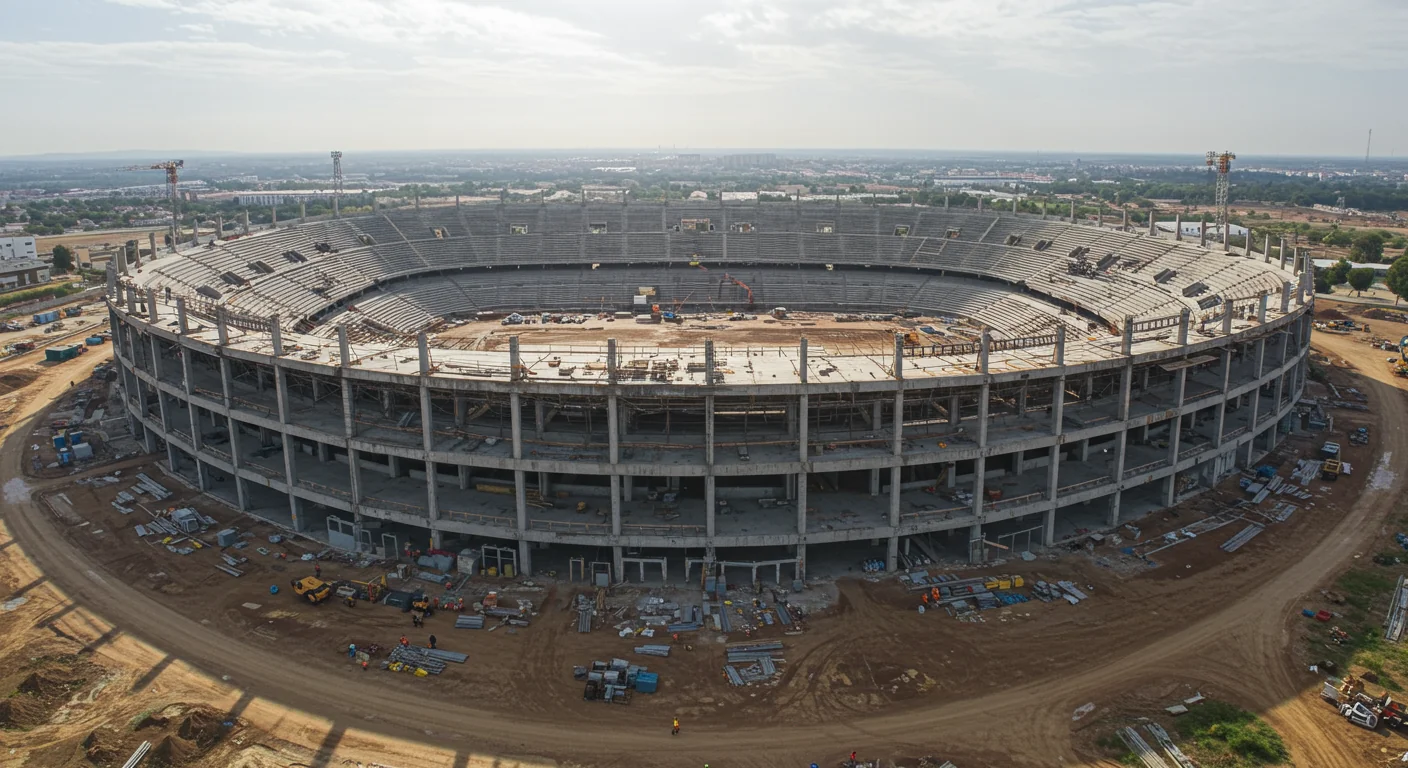
Ticket prices reflect the demand. First-round seats start near $69. Final Four tickets at Lucas Oil Stadium in Indianapolis begin at $499 and climb past $10,000 for courtside. Indianapolis, hosting the Final Four for the fourth time after 2010, 2015, and 2021, has cemented its status as the sport's capital.
The First Four in Dayton wrapped Tuesday with Howard edging UMBC 86-83, Texas surviving NC State 68-66, and wins for Lehigh and Miami of Ohio. Those results set the Round of 64 matchups across eight host sites, including Buffalo, Tampa, and Portland.
What's Next
The Round of 64 begins Thursday, March 19, with games running through Friday. The Sweet 16 and Elite Eight follow March 26-29 in Houston, San Jose, Chicago, and Washington. The Final Four tips April 4, with the championship game on April 6.
Beyond this tournament, NCAA President Charlie Baker is pushing to expand the field to 72 or 76 teams as early as the 2026-27 season. Baker has cited the depth of the current field as justification. Critics, including Sports Illustrated columnist Pat Forde, argue the 68-team format represents an ideal balance and that expansion would weaken the regular season's significance.
That debate will intensify depending on what happens over the next three weeks. If mid-majors deliver the upsets their records suggest they can, the case for a bigger tournament grows louder. If the top seeds hold, expansion advocates lose their strongest argument.
Either way, the 2026 bracket has already delivered on its promise before a single Round of 64 game has been played. The Chaos Bracket earned its name. Starting Thursday, it gets the chance to prove it.