
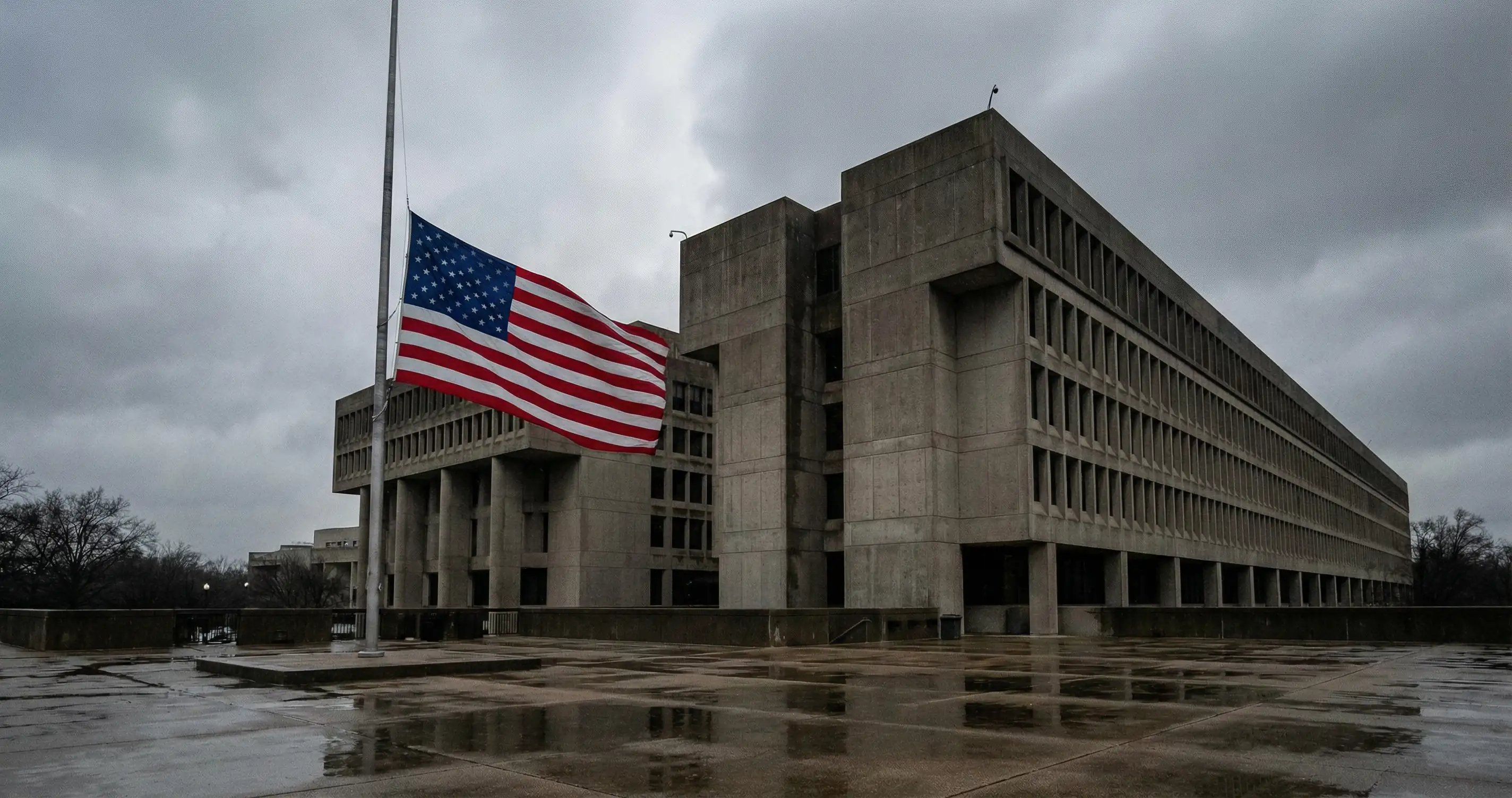
The White House has completed the repeal of the Environmental Protection Agency's "endangerment finding," the 2009 legal determination that greenhouse gases threaten public health and welfare. The move strips the federal government of its core legal authority to regulate carbon emissions under the Clean Air Act.
Repeal was completed in early February 2026. The endangerment finding, issued under the Obama administration, has been the foundation for EPA rules on vehicle emissions, power plants, and other sources of carbon dioxide and other greenhouse gases. Without it, the agency loses the statutory basis to treat CO2 as a pollutant subject to federal limits.
Background
The endangerment finding dates to 2009, when the EPA under Administrator Lisa Jackson concluded that six greenhouse gases "endanger both the public health and the public welfare of current and future generations." That conclusion was required by the Supreme Court's 2007 decision in Massachusetts v. EPA, which held that the EPA has authority to regulate greenhouse gases under the Clean Air Act if it finds they cause harm.
Since then, the finding has supported rules on light-duty vehicle emissions, power plant carbon standards, and other climate-related regulations. Courts have repeatedly cited the finding when upholding EPA climate rules. Repealing it does not change the Clean Air Act itself but removes the agency's stated justification for regulating CO2 and other greenhouse gases.
What Changed
The repeal process began earlier in the administration and was finalized in February 2026. The administration has framed the move as reducing regulatory burden and returning climate policy to Congress. Critics say it undermines the country's ability to meet emissions targets and aligns federal policy with fossil-fuel interests.
State-level climate programs, including cap-and-trade systems and clean-energy mandates, are unaffected. So are corporate and international commitments. The impact is on federal rules: future EPA regulations that depend on treating greenhouse gases as endangerment-based pollutants would need a new legal footing.
Impact
Automakers and utilities that had planned for federal carbon constraints may face a more fragmented landscape, with state rules gaining relative importance. Environmental groups are expected to challenge the repeal in court, arguing that the EPA is required to make an endangerment determination based on science, not policy preference.
Legal challenges could take years. In the meantime, the repeal marks a sharp shift in how the executive branch treats climate change under the Clean Air Act.
What's Next
Litigation will likely focus on whether the EPA can lawfully rescind the finding and whether it must replace it with a new determination. Congress could also pass legislation explicitly granting or limiting EPA authority over greenhouse gases.