Six patients walk into Memorial Sloan Kettering Cancer Center carrying a diagnosis that kills 88 percent of the people who receive it. Three years later, they remain cancer-free — and the vaccine that got them there is now being tested across 80 hospitals worldwide.
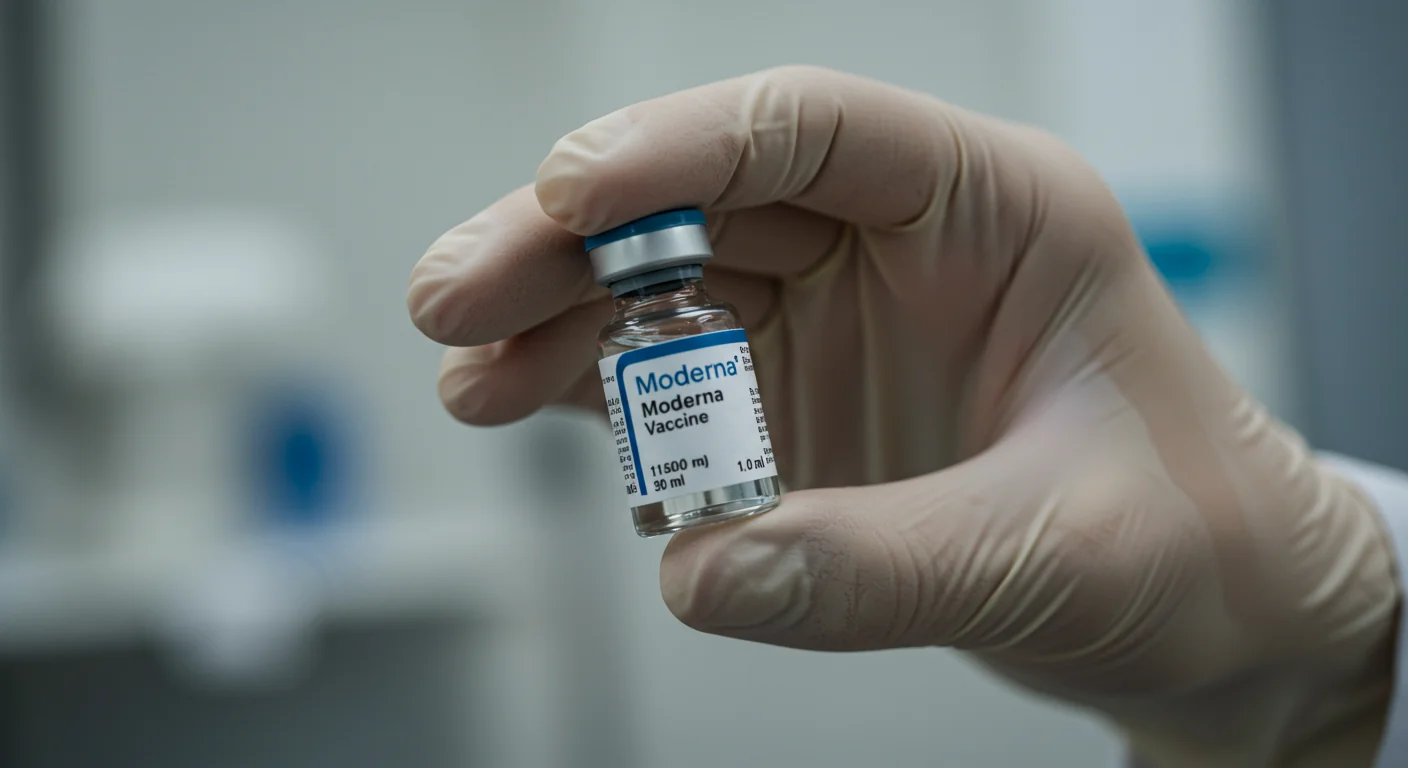
BioNTech's autogene cevumeran, known in clinical shorthand as BNT122, has produced the longest survival data yet recorded for an individualized mRNA cancer vaccine. The drug, built on the same messenger RNA platform that delivered billions of COVID-19 shots, is now the centerpiece of a global Phase 2 trial recruiting 260 patients with surgically removed pancreatic ductal adenocarcinoma.
What Three Years of Data Actually Show
The numbers from the Phase 1 follow-up, first presented at the American Association for Cancer Research annual meeting in April 2024, tell a stark story of two groups.
Of sixteen patients who received the vaccine after surgery, eight — exactly half — mounted a robust T-cell response. Their immune systems learned to recognize the unique mutations on their specific tumor cells. Of those eight responders, six have not seen their cancer return.
The other eight patients showed no measurable immune response. Their cancers recurred at a median of 13.4 months, consistent with historical outcomes for the disease.
"These results show we can prime the immune system to recognize and attack pancreatic cancer," said Dr. Vinod Balachandran, the surgical oncologist at Memorial Sloan Kettering who led the trial. "When we trigger these T-cells, they act like a special forces unit to prevent the cancer from returning."
The Graveyard of Drug Development
Pancreatic cancer has earned its reputation as the most treatment-resistant solid tumor in oncology. Even among patients healthy enough for surgery — roughly 20 percent of those diagnosed — the cancer returns in 80 percent of cases within two years.
The reason is biological. Pancreatic tumors are immunologically "cold." They build a dense stromal barrier around themselves and produce signals that actively repel immune cells. Checkpoint inhibitors like pembrolizumab, which have transformed treatment for melanoma and lung cancer, have shown almost no benefit in pancreatic ductal adenocarcinoma.
This is what makes the BNT122 data remarkable. The vaccine does not try to overcome the tumor's defenses with brute pharmacological force. Instead, it teaches the patient's immune system exactly what to look for by encoding up to 20 unique neoantigens — mutations found only on that patient's cancer cells — into a custom mRNA sequence.
Each vaccine is manufactured for a single person. BioNTech's facility sequences the patient's tumor biopsy, identifies the most immunogenic mutations, and synthesizes a tailored mRNA payload. The current turnaround time runs approximately six weeks from biopsy to first injection, though the company is working to compress that window below four weeks in 2026.
Inside the Phase 2 Gamble
The global Phase 2 trial, designated IMCODE003 and registered as NCT05968391, represents the first true test of whether these results hold beyond a small, carefully selected cohort.
The trial is randomized and controlled. One arm receives the individualized vaccine combined with the chemotherapy regimen mFOLFIRINOX and the checkpoint inhibitor atezolizumab. The control arm receives mFOLFIRINOX alone, which remains the current standard of care.
Approximately 260 patients are being enrolled at sites across the United States, Germany, Spain, Belgium, and the Asia-Pacific region. The primary endpoint is recurrence-free survival, with a primary completion date estimated for late 2026 or early 2027.
Genentech, the U.S. subsidiary of Roche, is managing much of the clinical infrastructure and regulatory strategy. The partnership gives BioNTech access to Genentech's oncology trial network while Genentech gains a foothold in the individualized mRNA space.
The Skeptic's Case
Sixteen patients is not a foundation for certainty. Several oncologists have pointed out that the Phase 1 cohort was subject to significant selection bias: only patients healthy enough to undergo surgery, recover, and then wait six weeks for vaccine manufacturing were included. These are, by definition, the strongest patients with the most favorable prognoses.
The 50 percent response rate also raises questions about what determines whether a patient's immune system will react. BioNTech has not yet identified a reliable biomarker that predicts response before treatment begins. In a disease where every week matters, spending six weeks manufacturing a vaccine that may not work for half of recipients presents a difficult clinical calculus.
BOTTOM LINE: The Phase 2 trial must answer two questions — does the vaccine work in a broader population, and can doctors predict who will respond before committing to a six-week manufacturing window?
There is also the matter of scale. Each vaccine is a bespoke product. Manufacturing 260 individualized treatments for a clinical trial is one thing. Scaling that process to serve the roughly 64,000 Americans diagnosed with pancreatic cancer each year would require an industrial transformation that BioNTech has not yet demonstrated.
What Comes After the Data
BioNTech has committed more than one billion dollars to its oncology pipeline, with the individualized neoantigen platform at its center. For a company whose revenue cratered after COVID-19 vaccine demand collapsed, proving that mRNA works against cancer is not just a scientific milestone — it is an existential business question.
BioNTech CEO Ugur Sahin and Chief Medical Officer Ozlem Tureci have repeatedly framed the cancer vaccine program as the original purpose of their mRNA research, with COVID-19 being the detour that funded it. The company is running parallel trials targeting melanoma and colorectal cancer using the same individualized approach.
The pancreatic cancer program carries the highest stakes. If IMCODE003 delivers a statistically significant improvement in recurrence-free survival, it would mark the first time any immunotherapy has shown clear benefit in this disease. If it fails, it will raise hard questions about whether individualized mRNA vaccines can ever work at the scale and speed that cancer treatment demands.
Patients in the trial receive nine doses over several months. The interim analysis, expected in late 2026, will provide the first randomized evidence of whether the survival advantage seen in the Phase 1 responders holds up against a proper control group.
For the six patients at Memorial Sloan Kettering who remain cancer-free at three years, the data already speaks. For the 260 patients now enrolled worldwide, the answer is still being written — one custom vaccine at a time.